Find practical posts about Bible reading plans, daily habits, and AI Bible study tools.
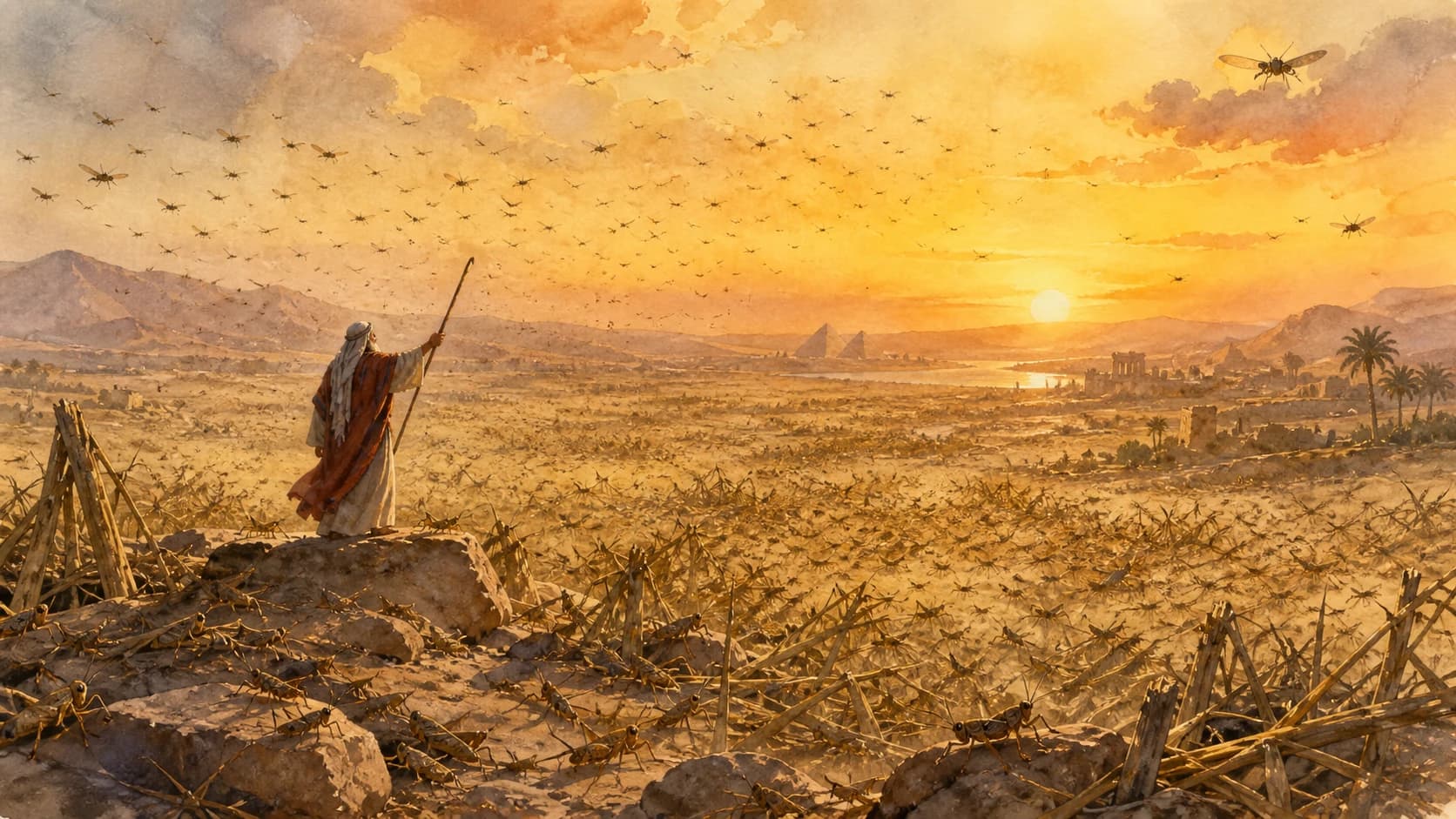
Explore the plagues of locusts and darkness in Exodus 10, Pharaoh’s restrictive proposals and repeated refusal, and God’s purpose in displaying these signs.
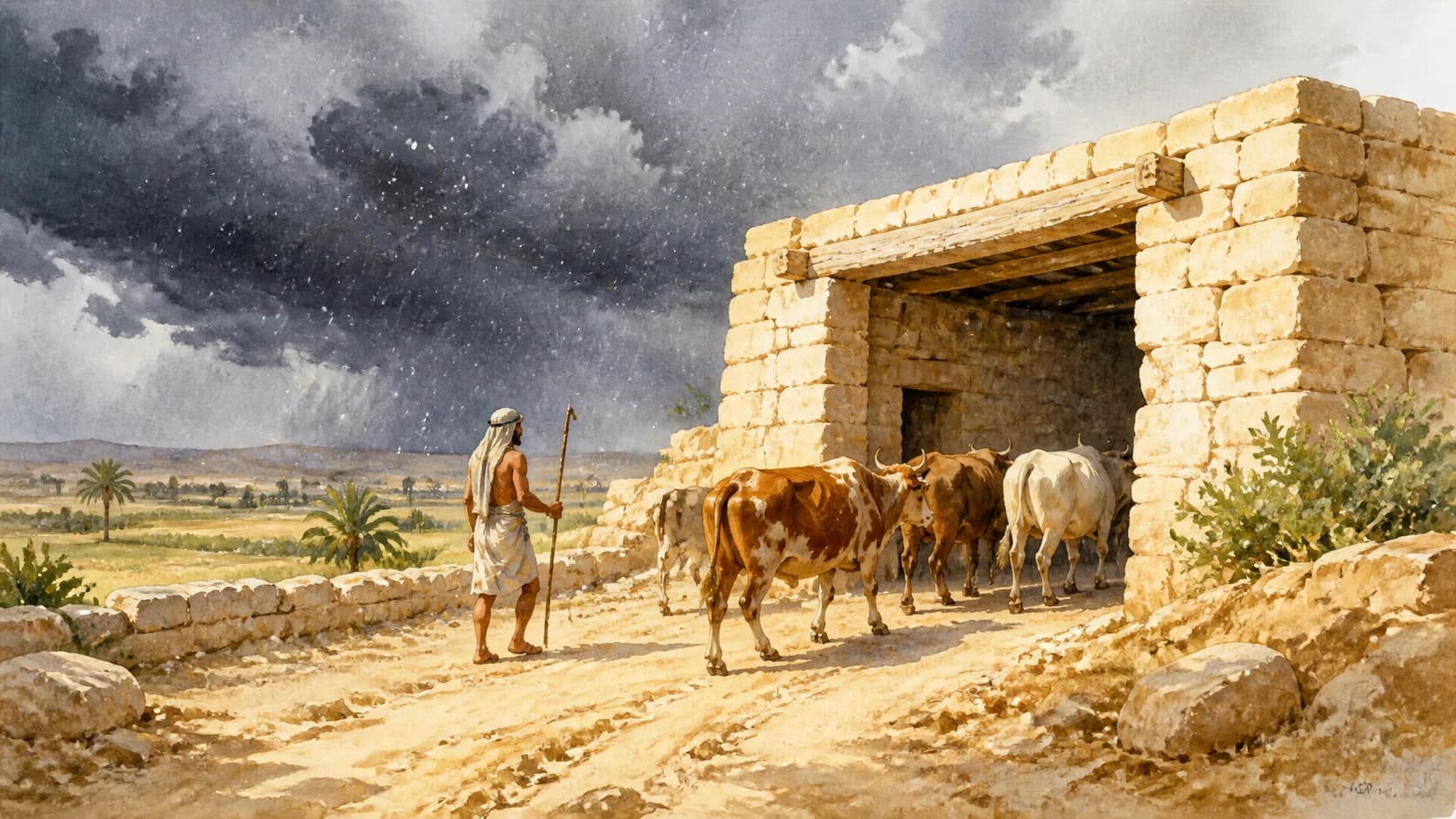
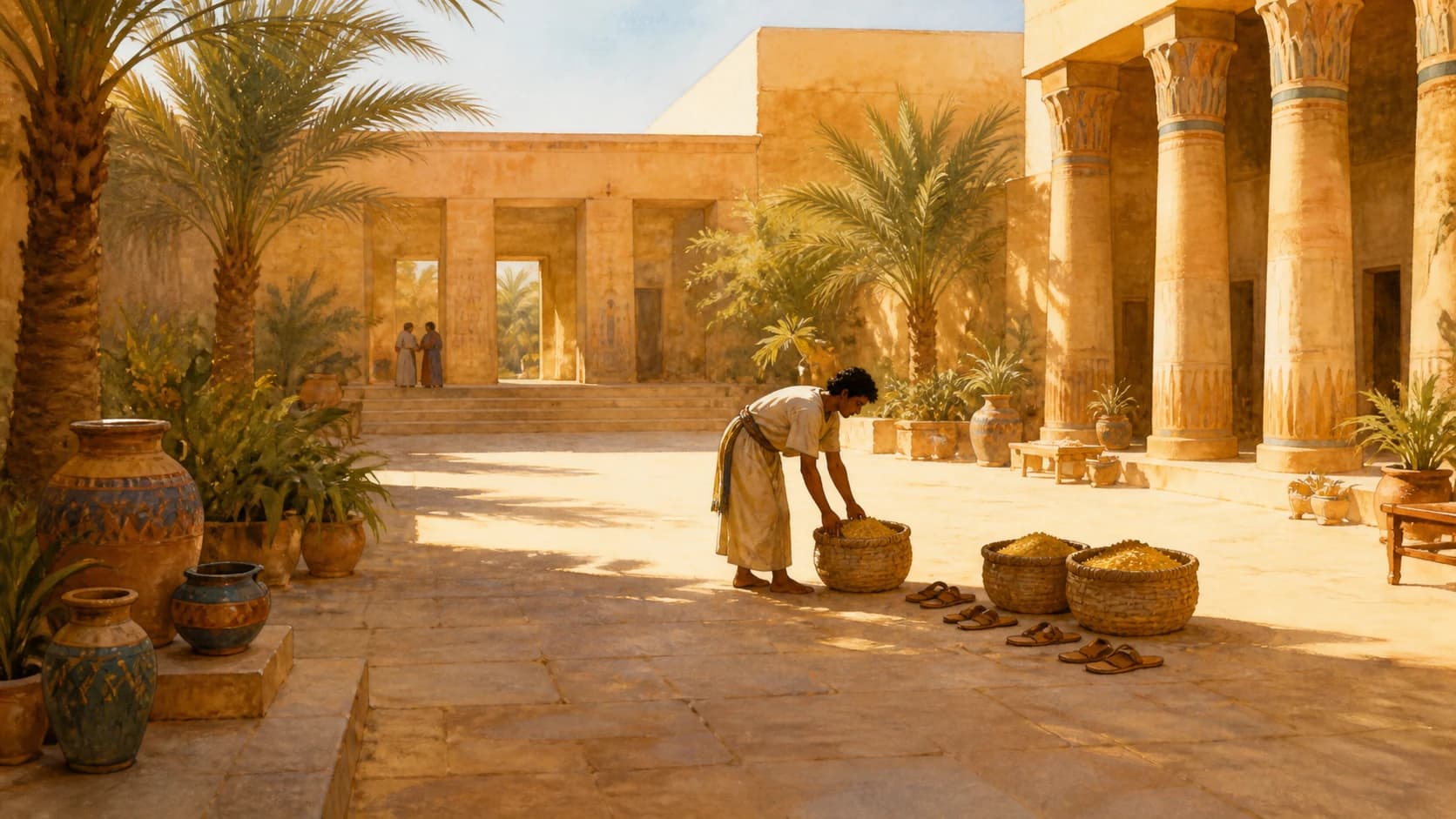
Explore the plagues on livestock, boils, and hail in Exodus 9, and see how Pharaoh and his officials responded differently to God's warnings.
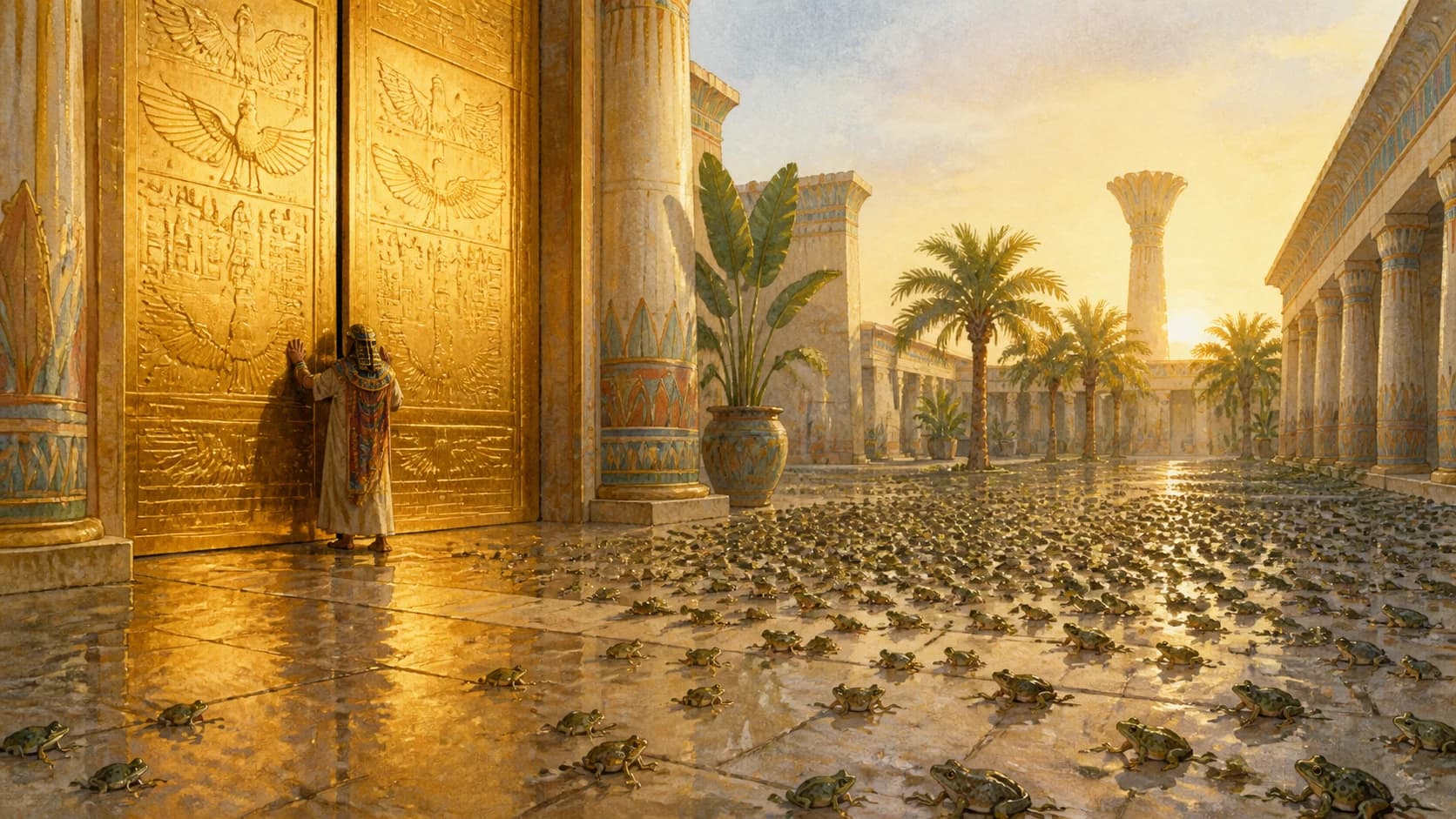
In Exodus 8, Pharaoh broke his promises after the frogs and swarms of flies disappeared. Explore his repeated refusal and one practical step you can take today.
In Exodus 6, we look at how God promised deliverance and the fulfillment of His covenant to Israel, who were suffering under hard labor, and how He commanded Moses and Aaron.
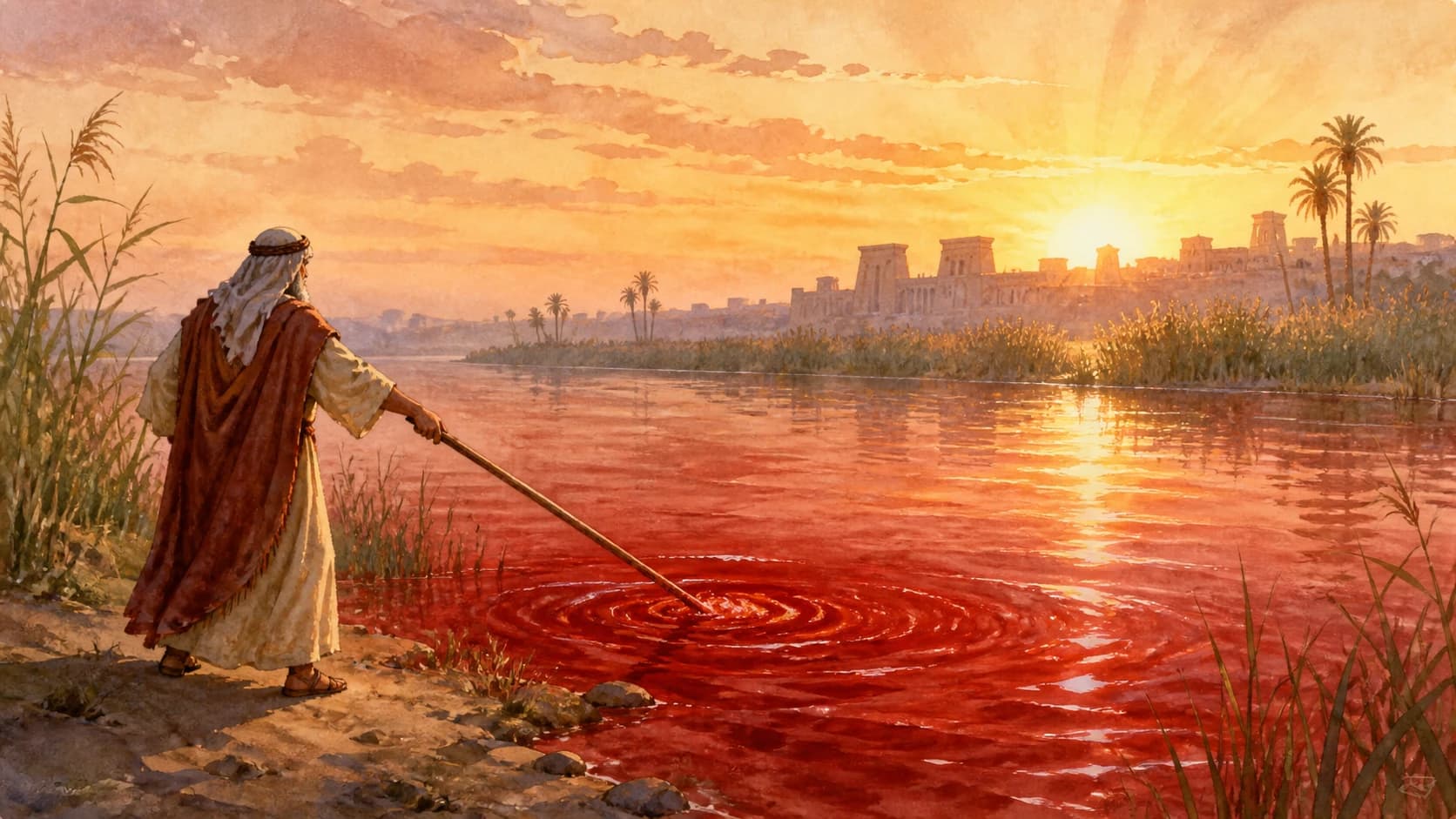
In Exodus 7, we examine within the text the purpose for which God sent Moses and Aaron to Pharaoh and performed the signs and the first plague.
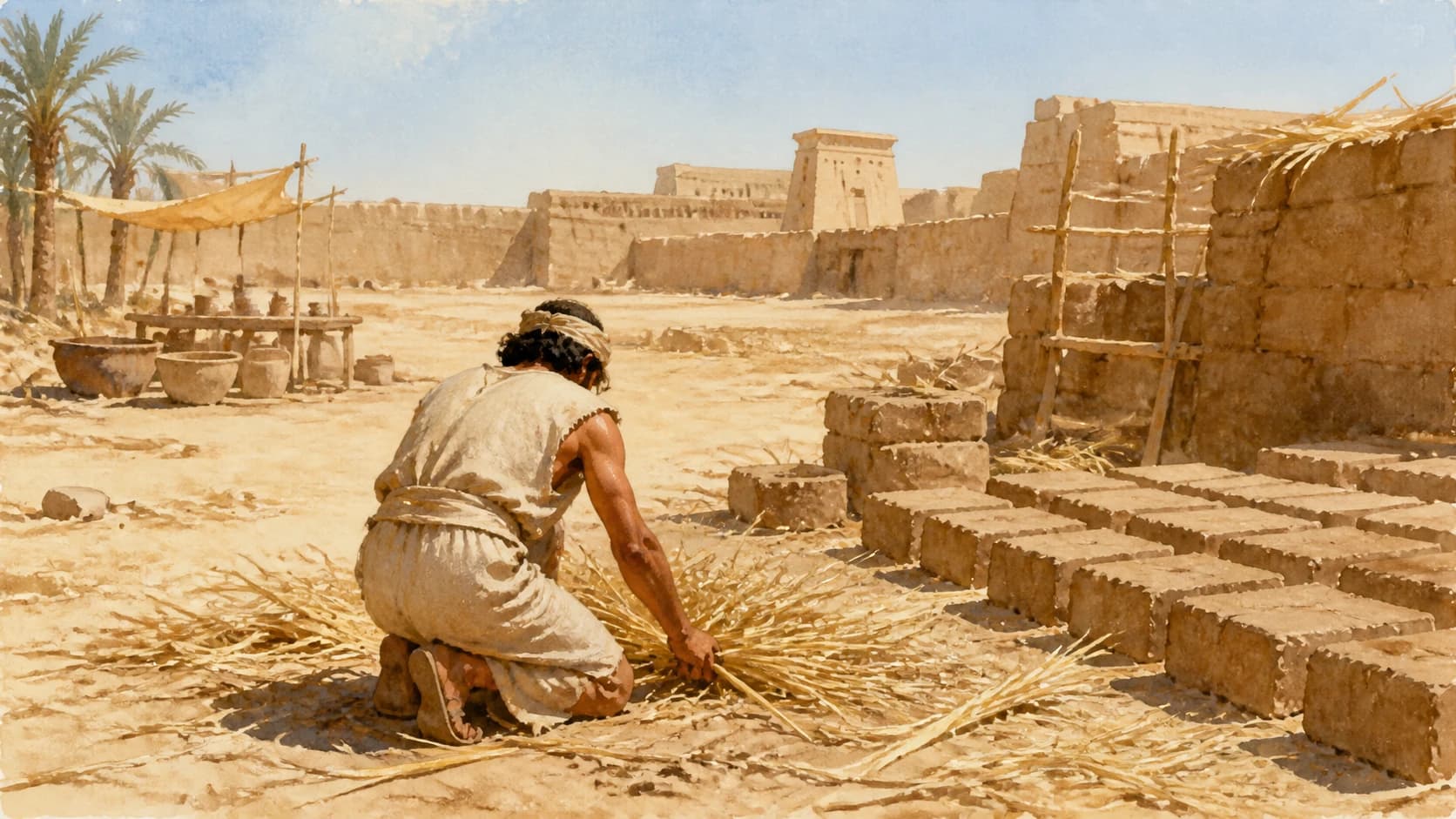
In Exodus 5, we look at the process from Pharaoh’s rejection of God’s word to Israel’s harsher labor and Moses’ appeal to God.
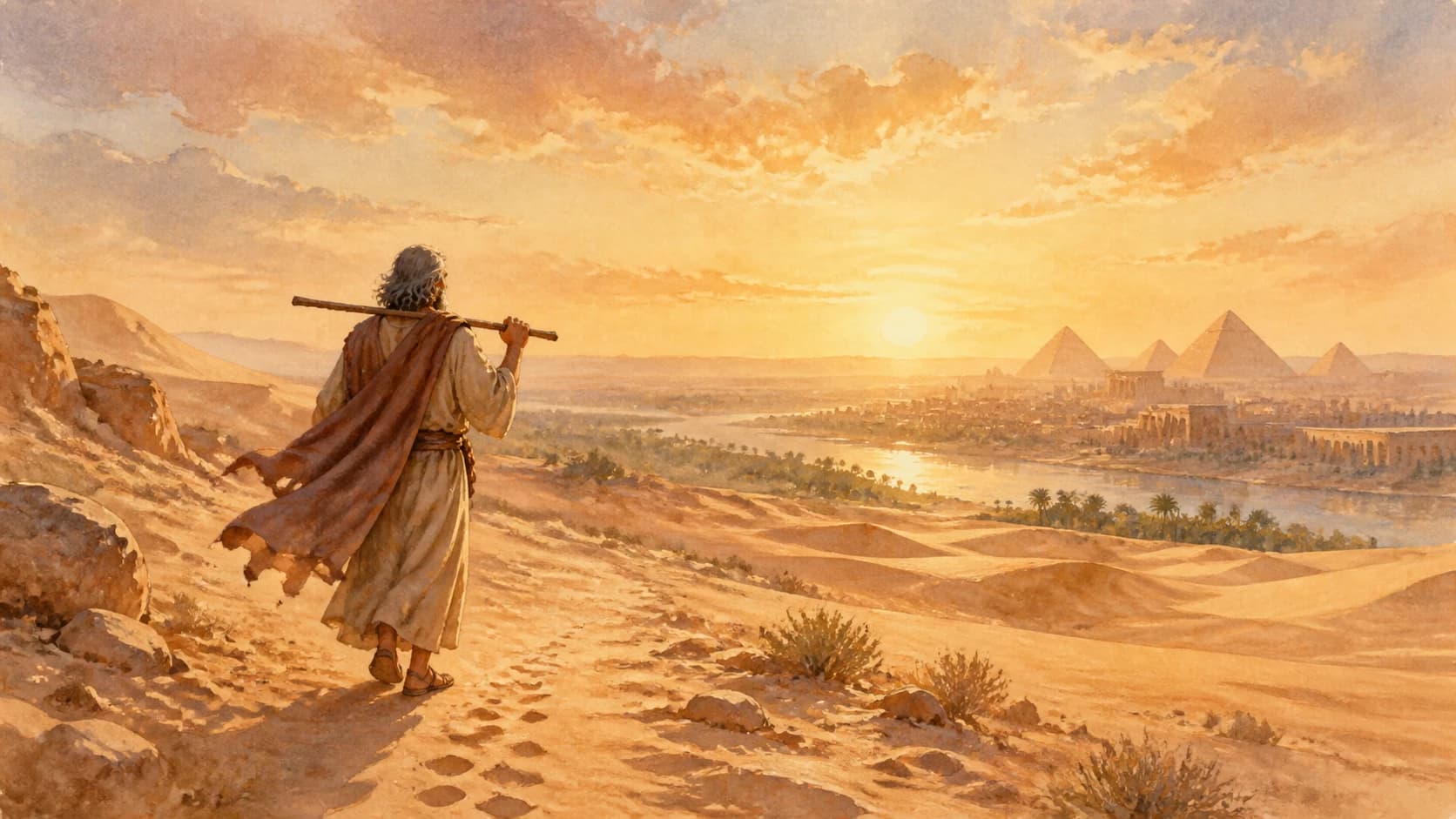
In Exodus 4, we look at how God answered Moses’s concerns with signs, words, and Aaron, and sent him back to Egypt.
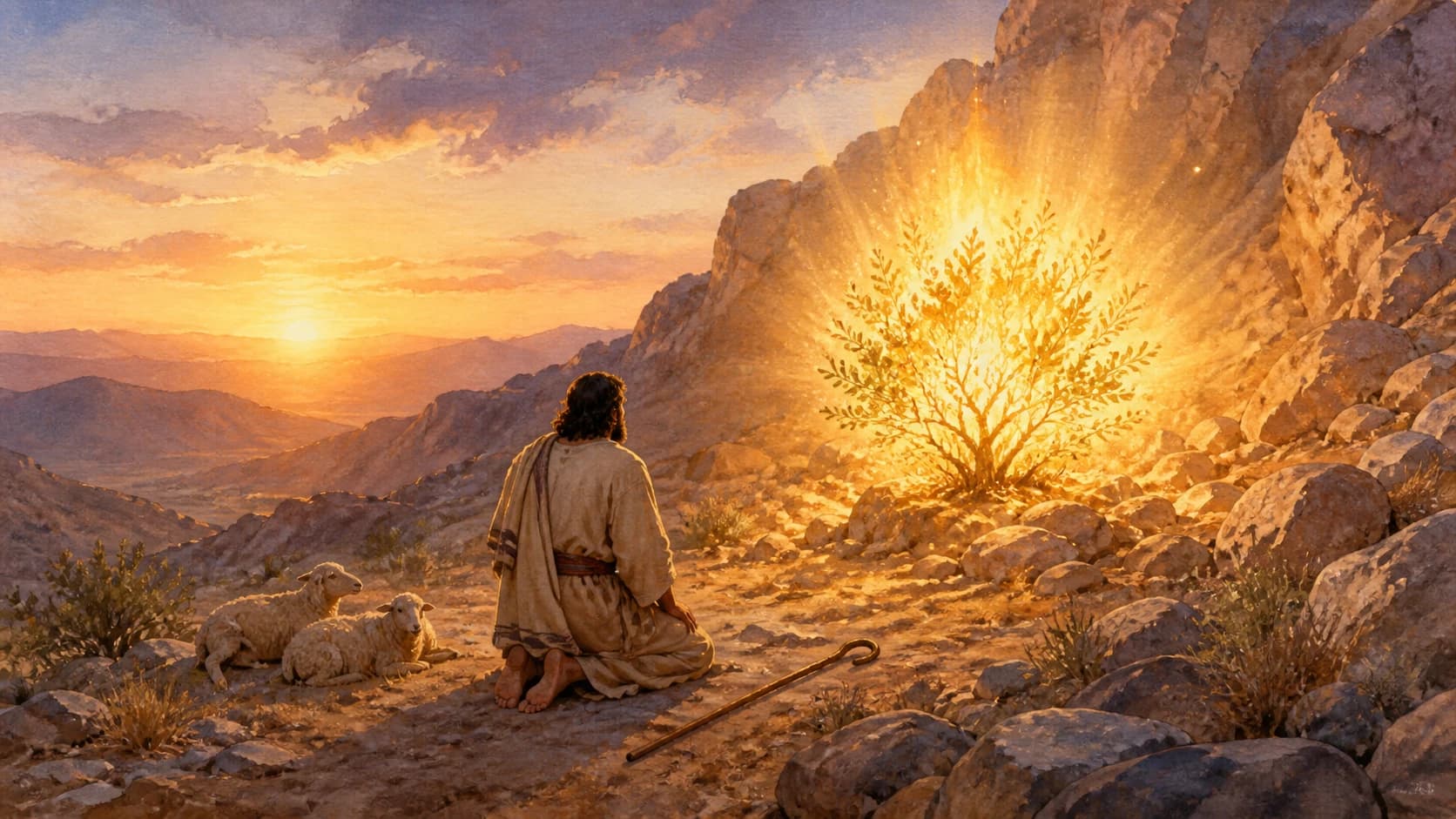
In Exodus 3, we look at why God saw the suffering of Israel and called Moses, along with the work He entrusted to him, following the text closely.
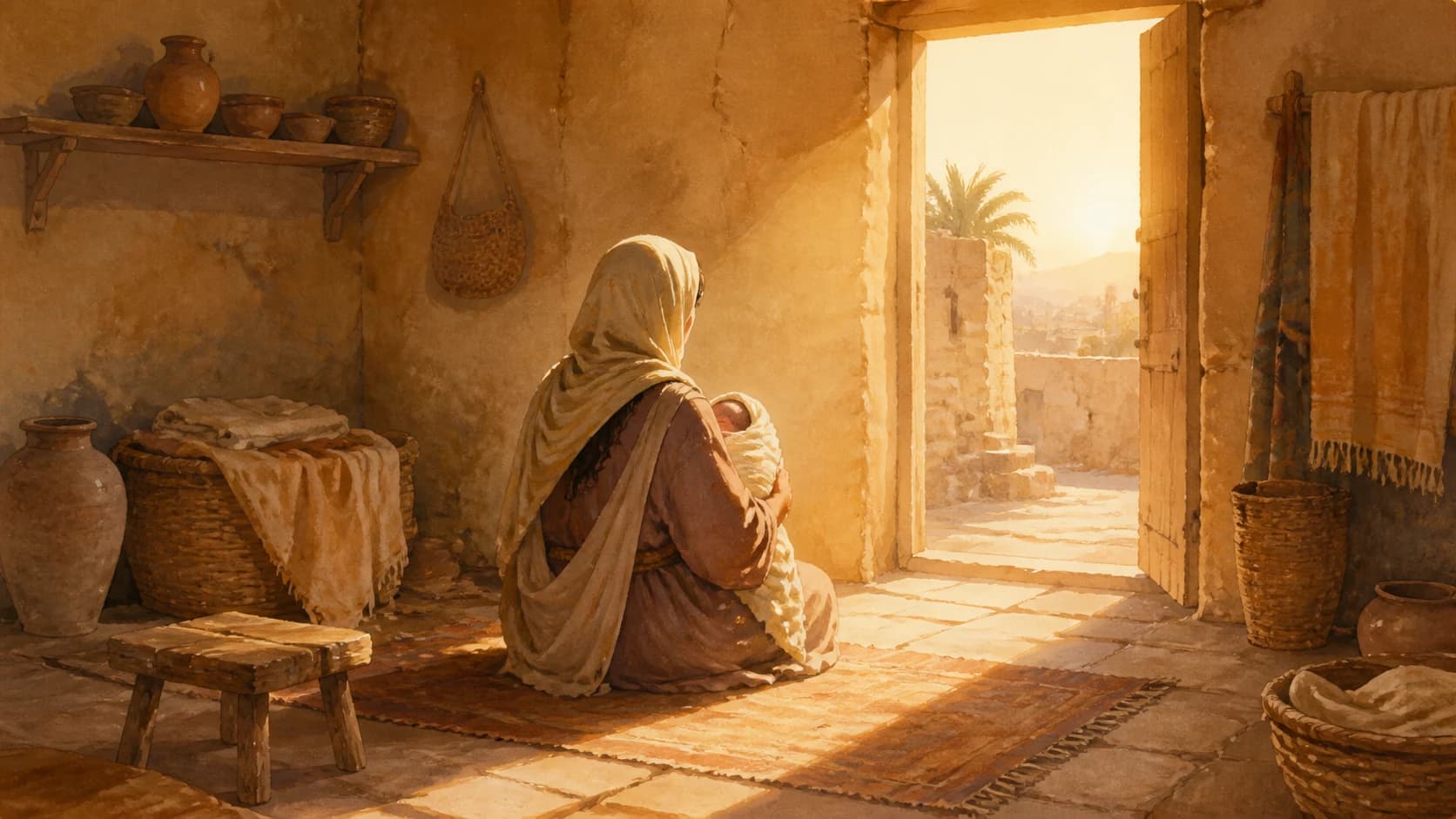
In Exodus 1, we examine why Shiphrah and Puah disobeyed the king of Egypt and saved the baby boys, and one choice to examine today.
In Genesis 50, we look at how Joseph kept Jacob’s burial command, reassured his brothers who feared retaliation, and spoke of God’s promise.
In Genesis 49, we look at what Jacob said to his twelve sons, the blessings he gave each one according to their portion, and the burial instructions he left behind.
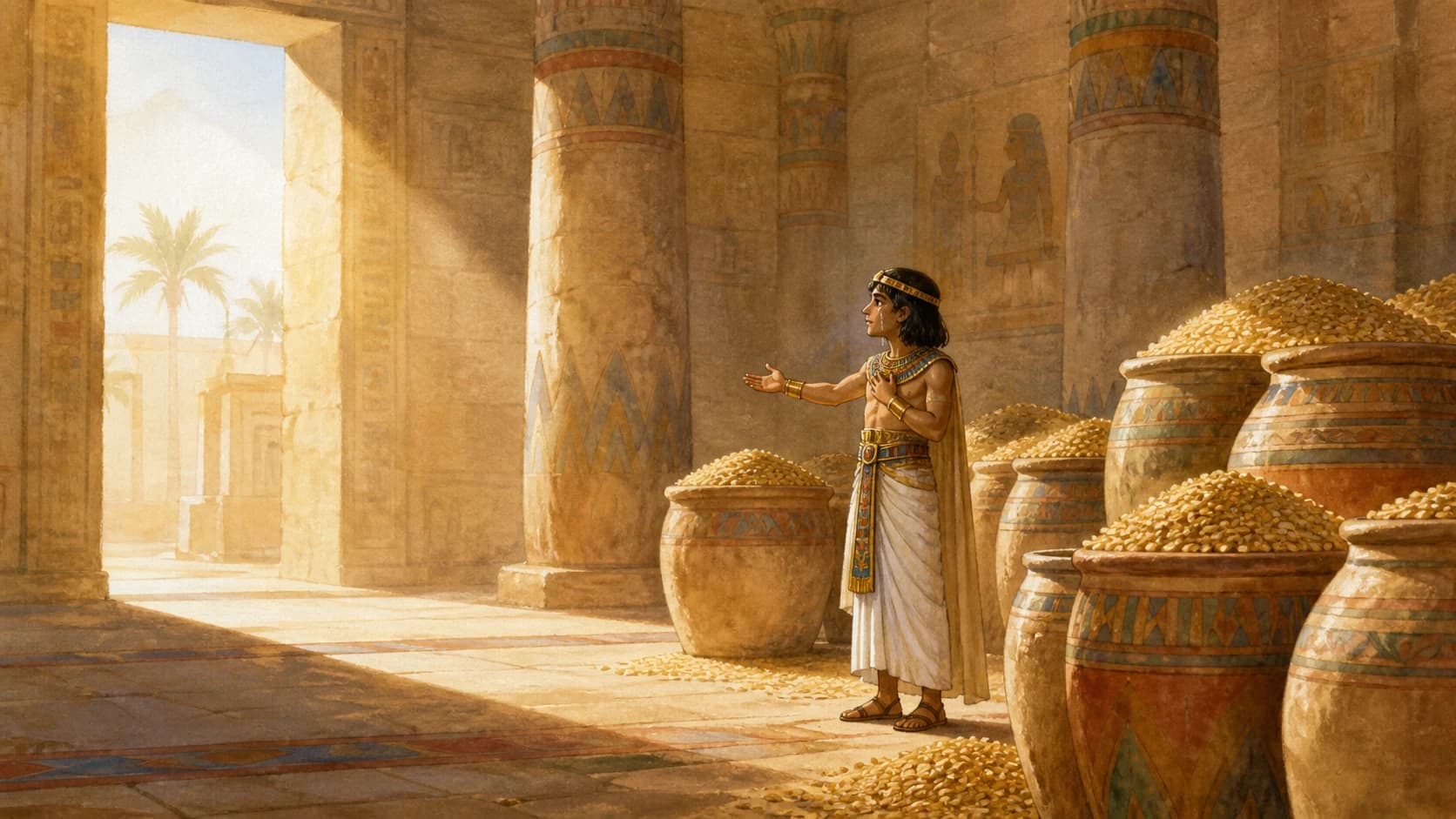
In Genesis 45, we look at how Joseph revealed himself to his brothers and explained that God had preserved the life of their family.
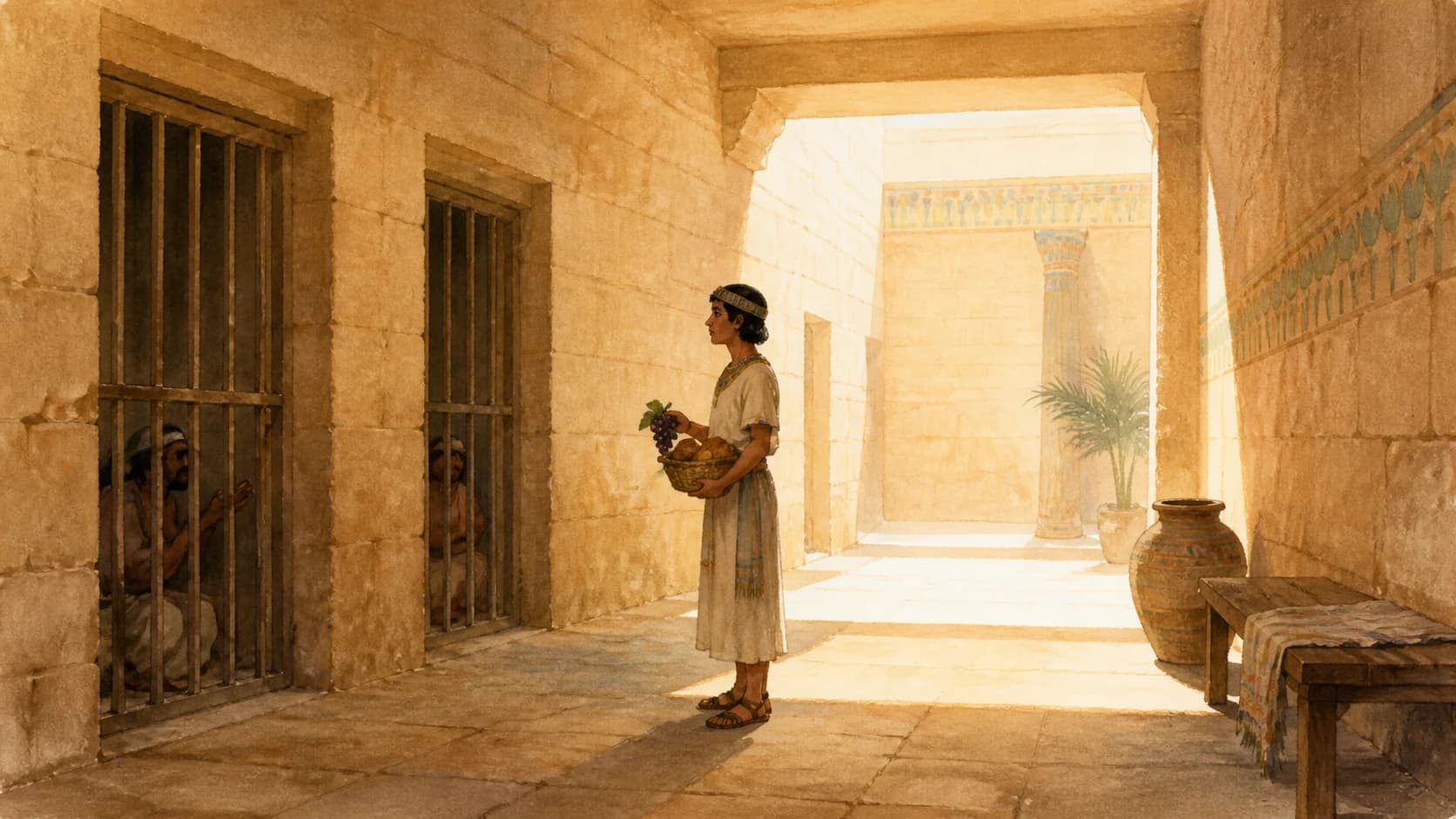
In Genesis 40, Joseph notices the concern of the two officials, declares that interpretations belong to God, and then delivers the different outcomes of their dreams.
In Genesis 39, we look at why Joseph refused and fled from Potiphar’s wife’s demand, and how God was with Joseph even in prison.
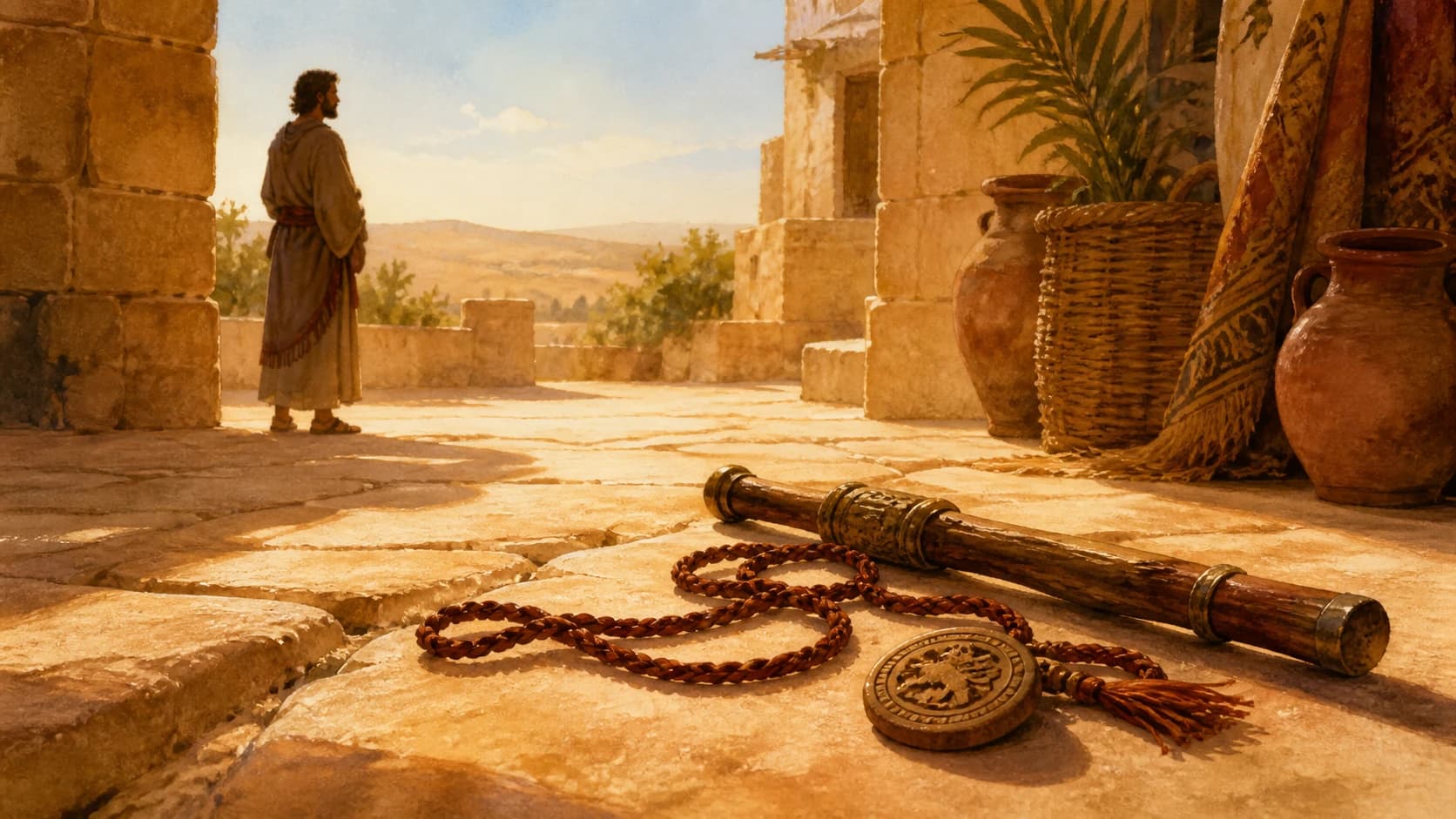
In Genesis 38, we examine why Judah condemned Tamar, then acknowledged after confirming his seal, cord, and staff that Tamar was more righteous than he was.
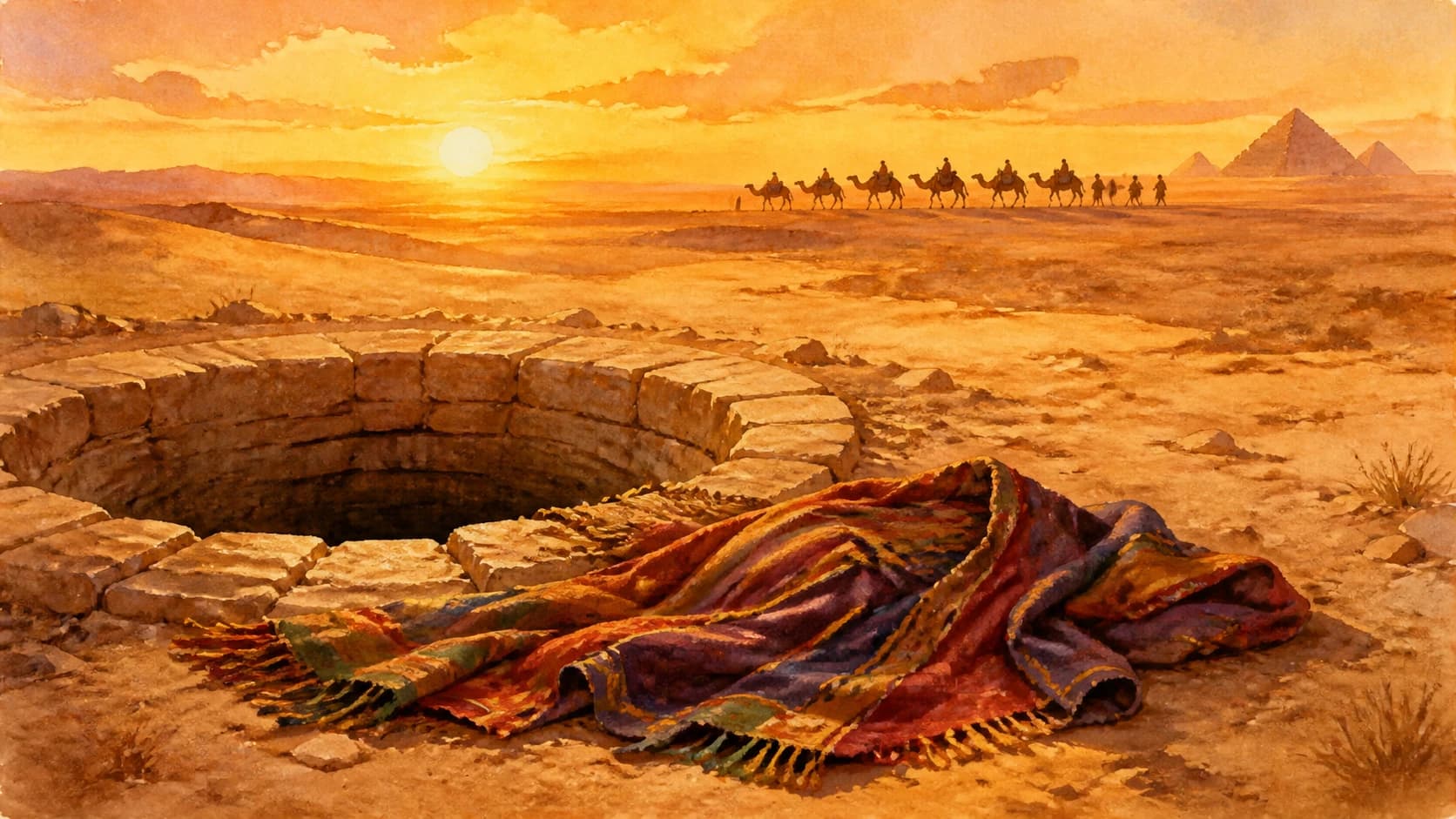
In Genesis 37, we examine how the brothers’ hatred led to a murder plot, the pit, and Joseph’s sale, and identify the actions we need to stop today.
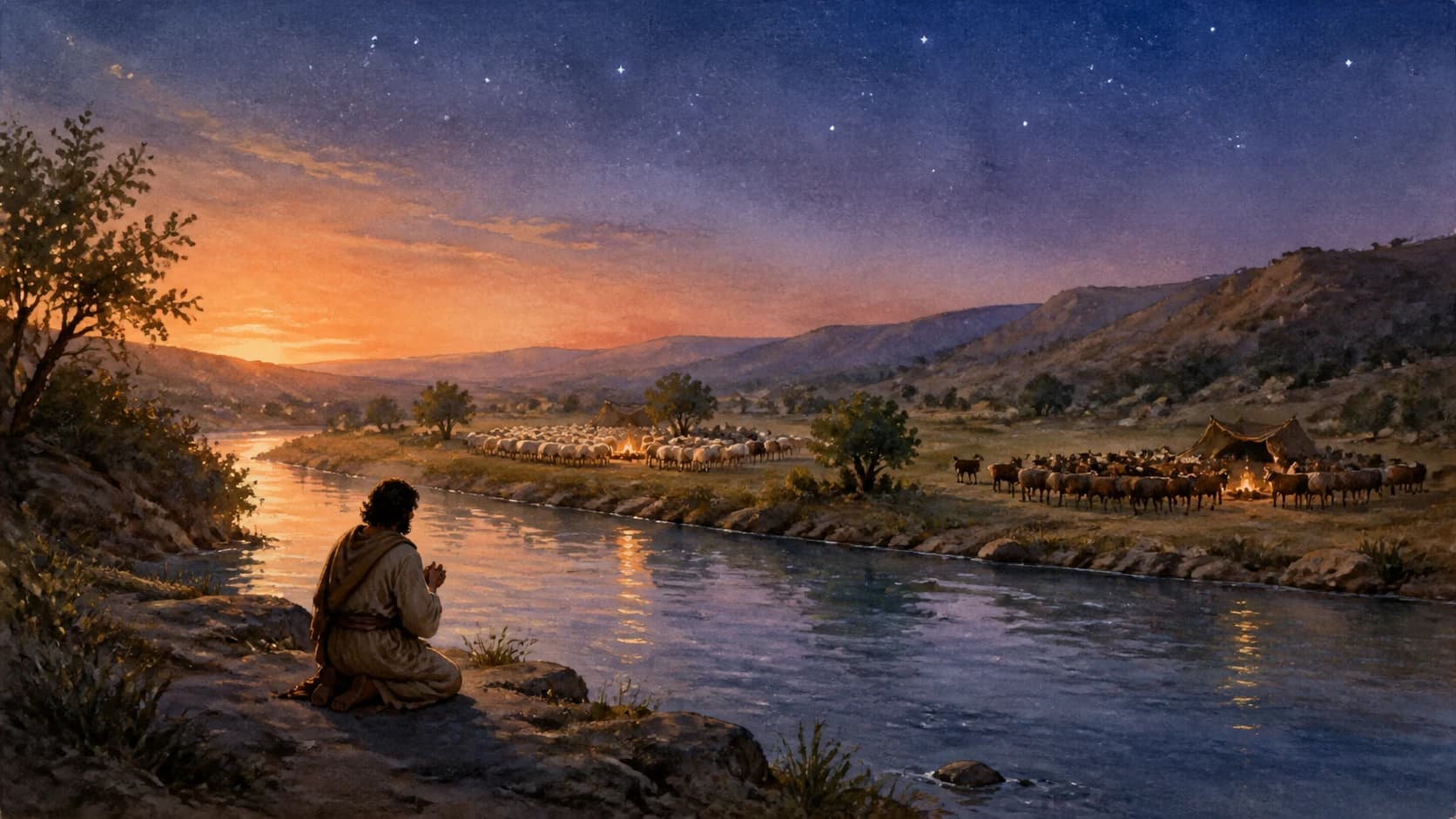
We look at how Jacob divided the people into groups, pleaded with God, and prepared a gift when he heard that Esau was coming with four hundred men.
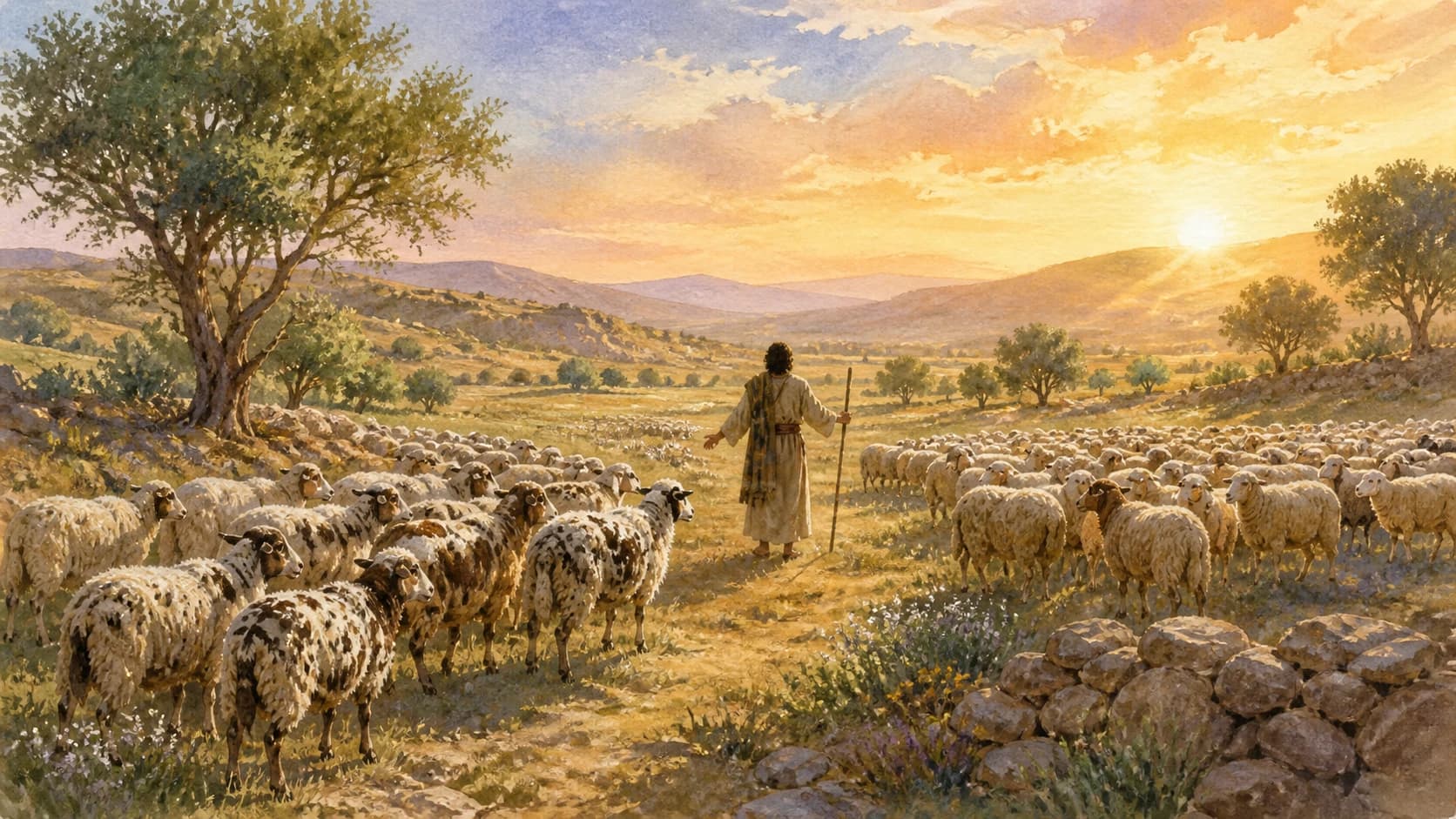
In Genesis 30, we look at how God heard Leah and Rachel and how Jacob’s family and possessions increased after he set his wages with Laban.
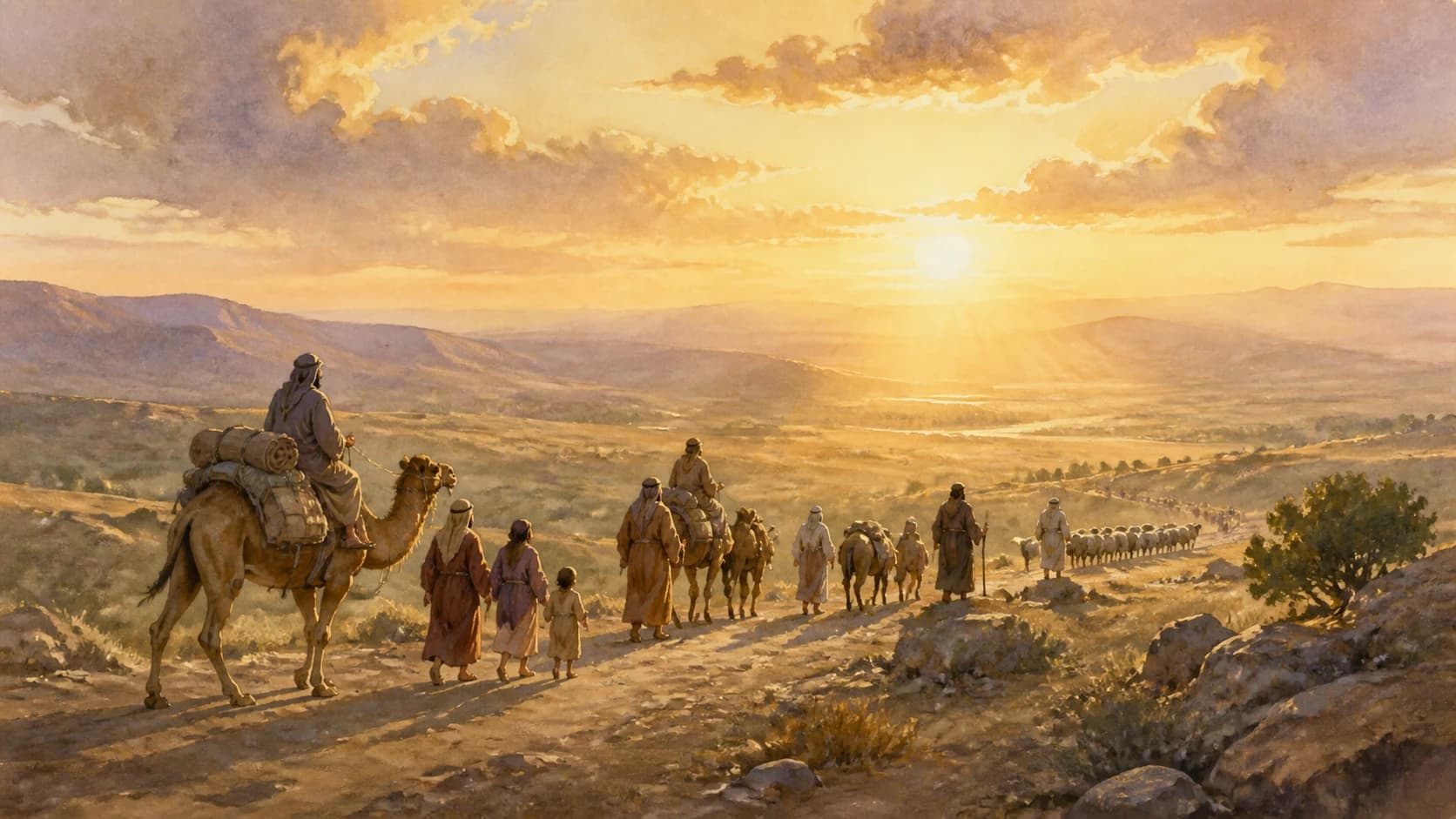
In Genesis 31, God told Jacob to return to his homeland and protected him even amid Laban’s pursuit and threats.
In Genesis 29, Jacob serves seven years for Rachel and endures Laban’s deception. This article looks at the waiting and the family life the passage reveals.
God told Jacob, who was leaving for Haran, that He would be with him, protect him, and bring him back. In Genesis 28, we look at that promise and Jacob’s response.
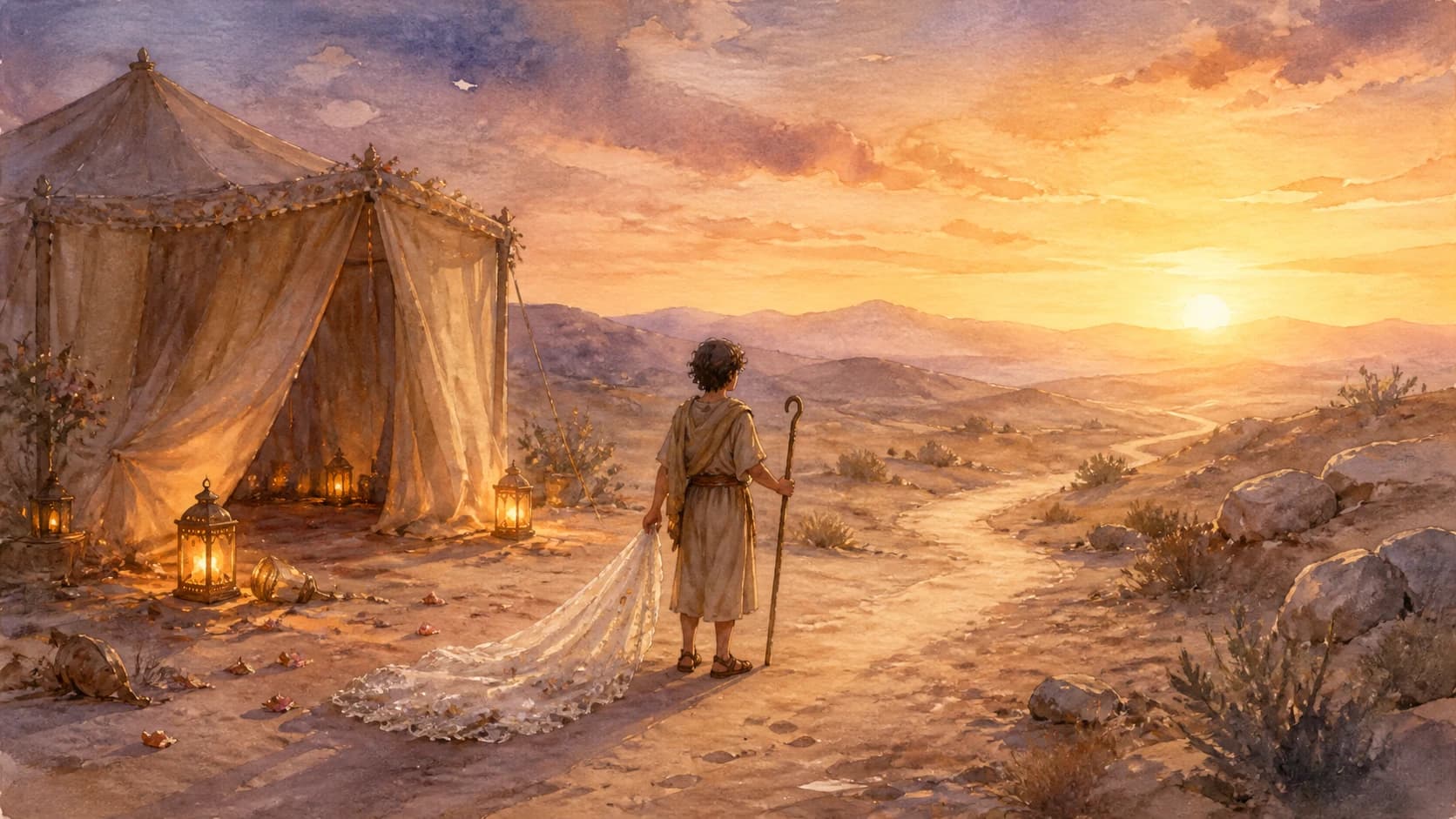
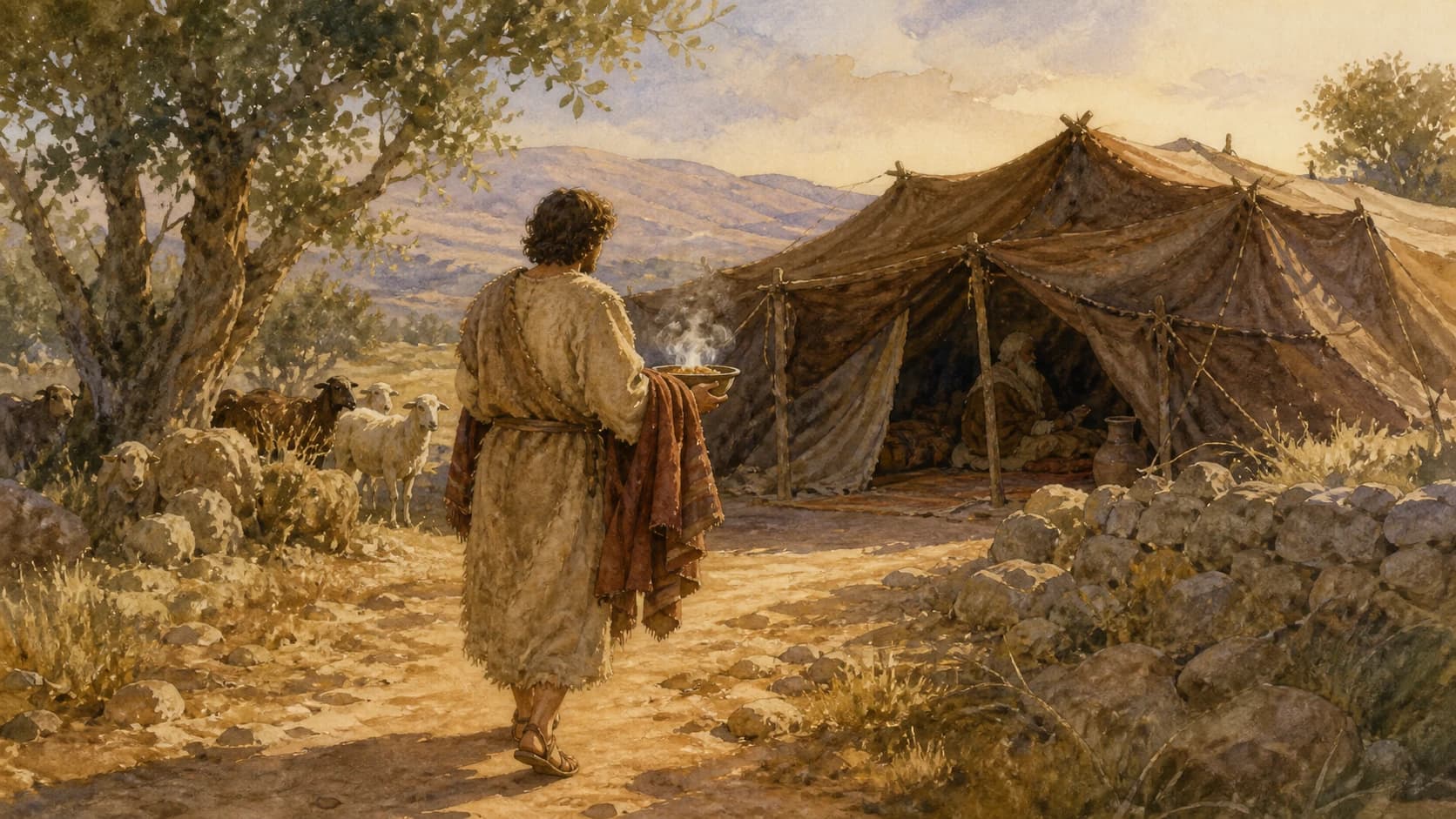
Jacob gained Isaac’s blessing by pretending to be Esau. Following Genesis 27, this article looks at how that deception led to blessing, anger, and exile.
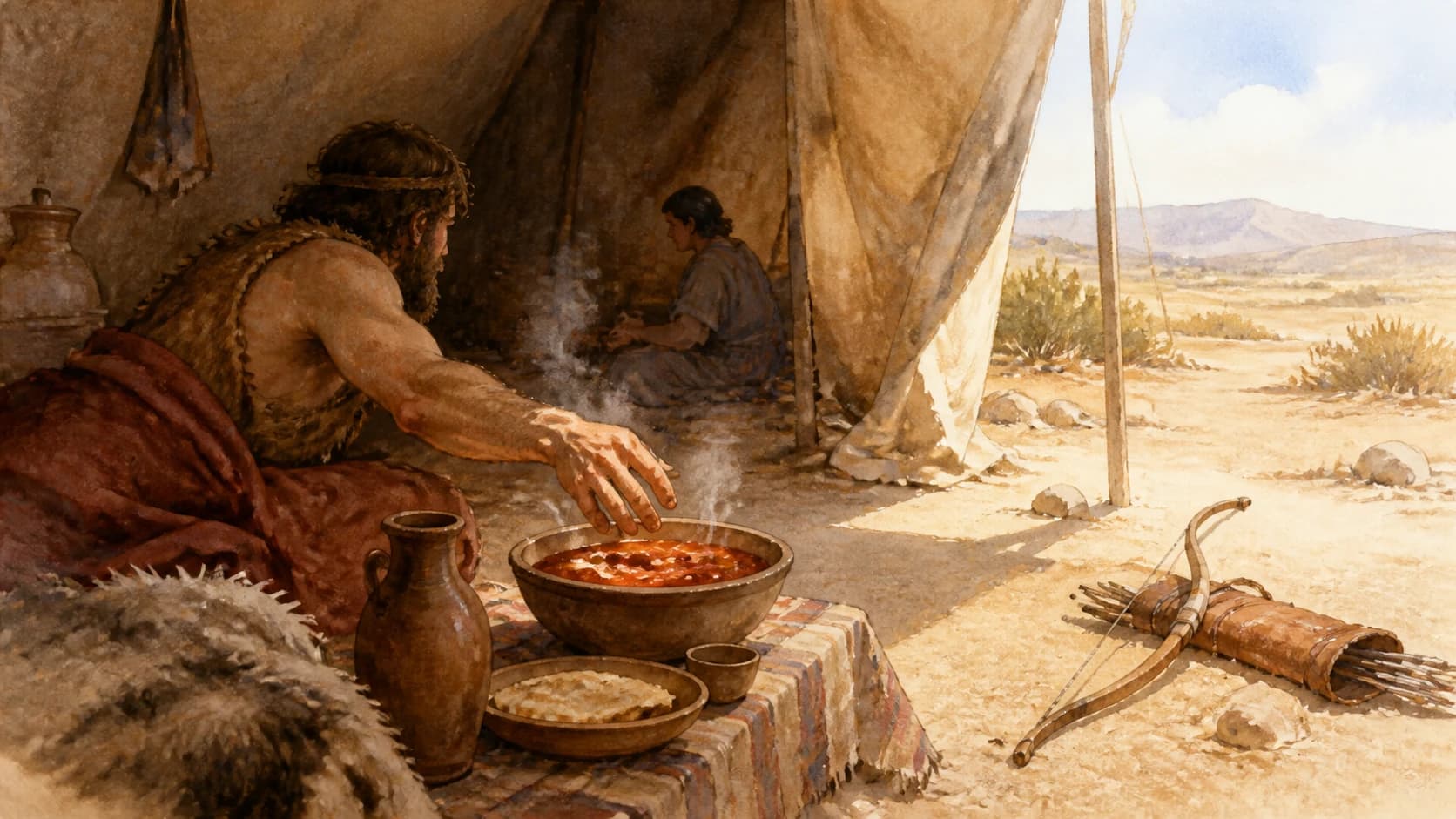
In Genesis 25, we look at how Esau traded his birthright for red stew, and consider one action for protecting what is precious in the face of immediate need.
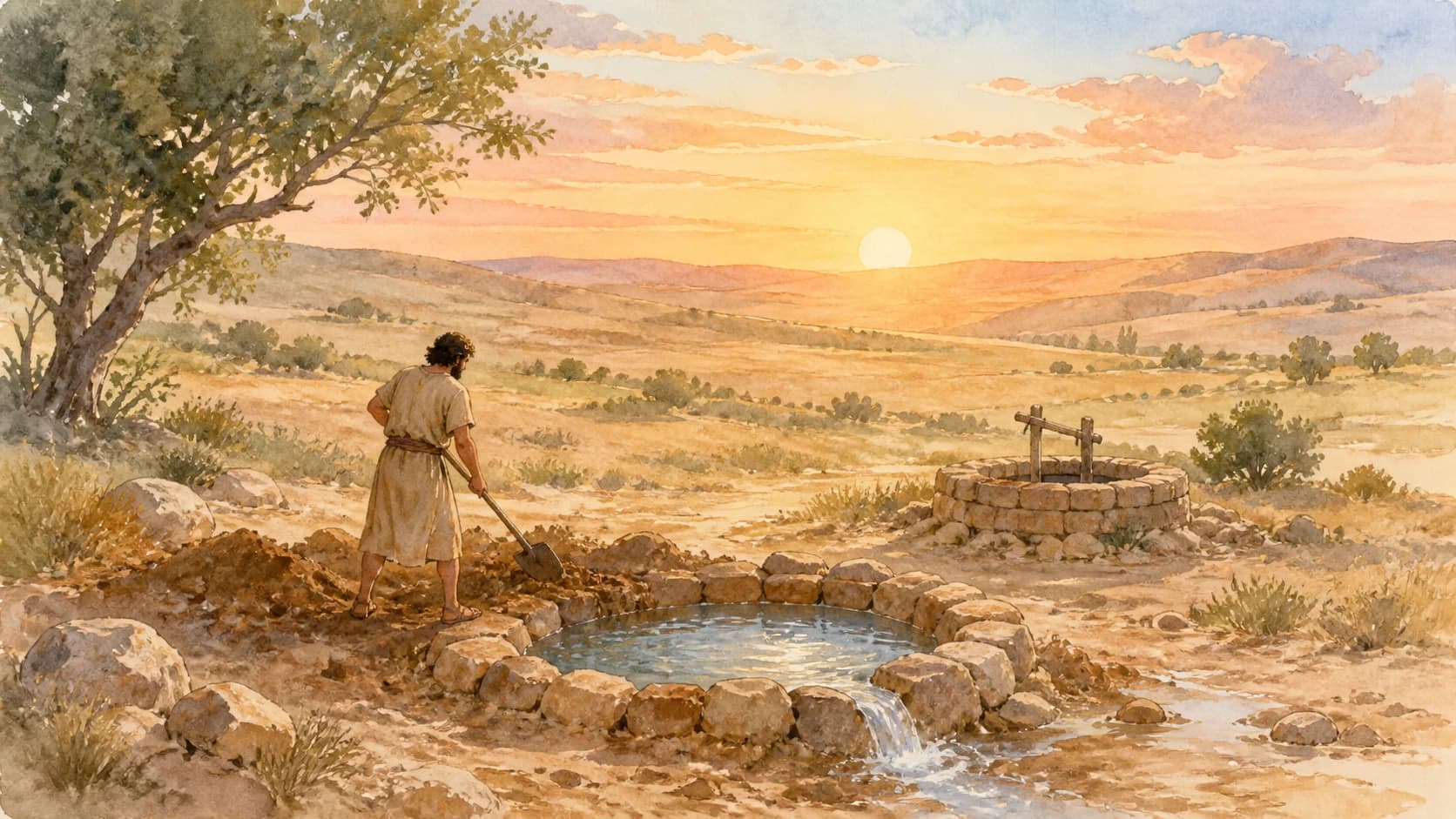
In Genesis 26, we look at how Isaac stayed in the land God told him to remain in and made peace after famine, fear, and disputes over wells.