Find practical posts about Bible reading plans, daily habits, and AI Bible study tools.
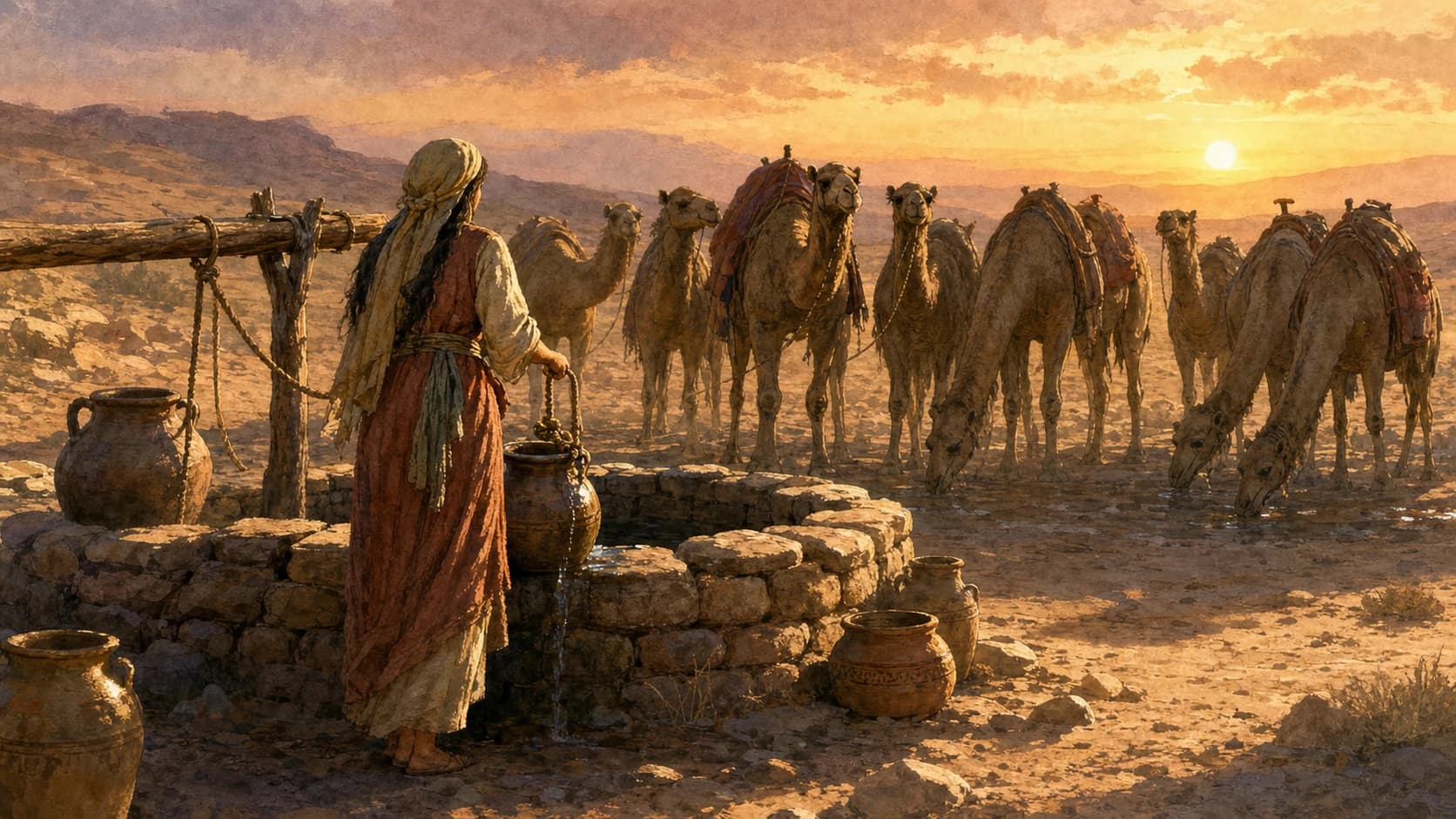
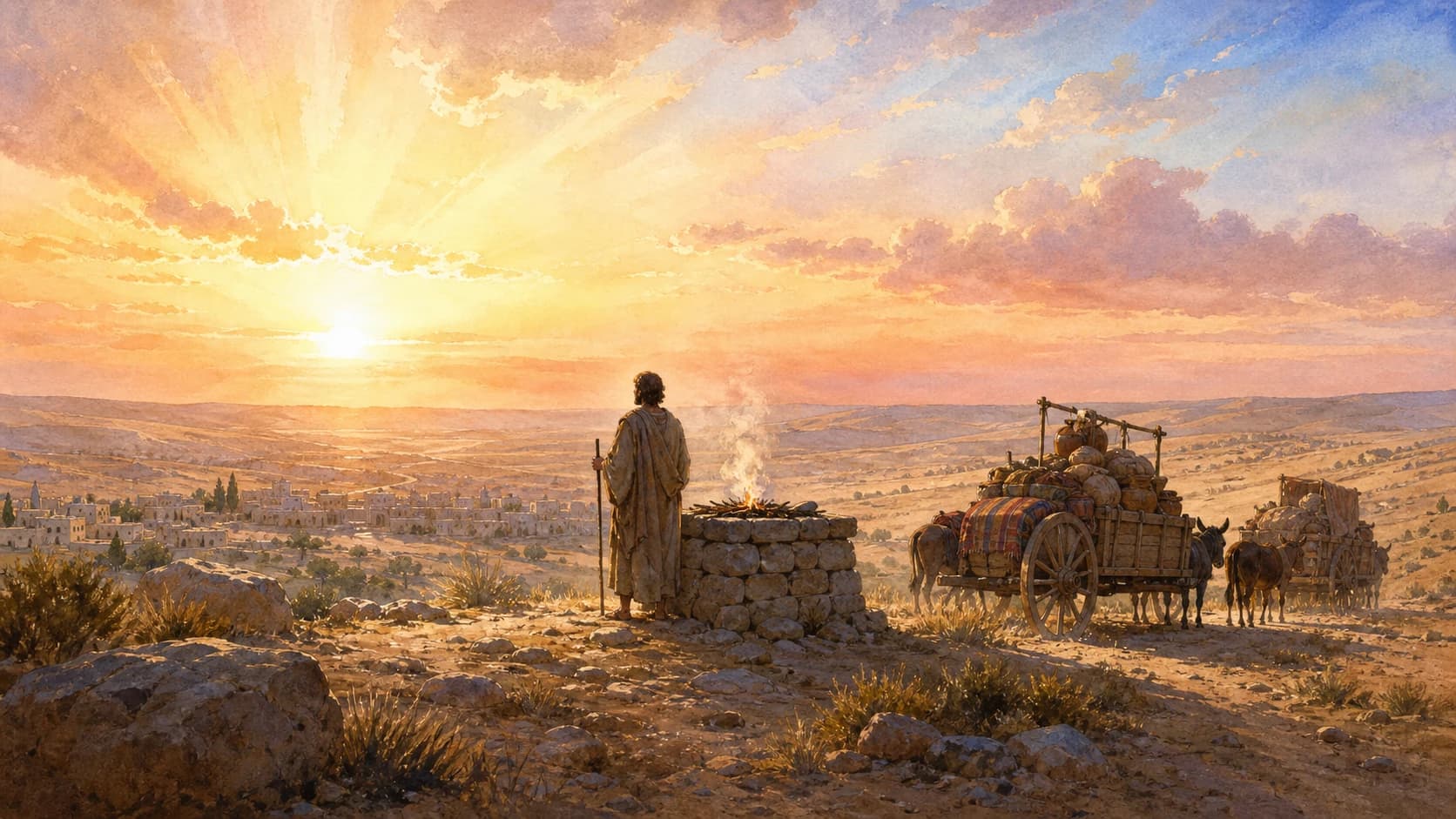
In Genesis 24, we follow Abraham’s servant as he prays and meets Rebekah, and confirm the guidance of God that the passage describes.
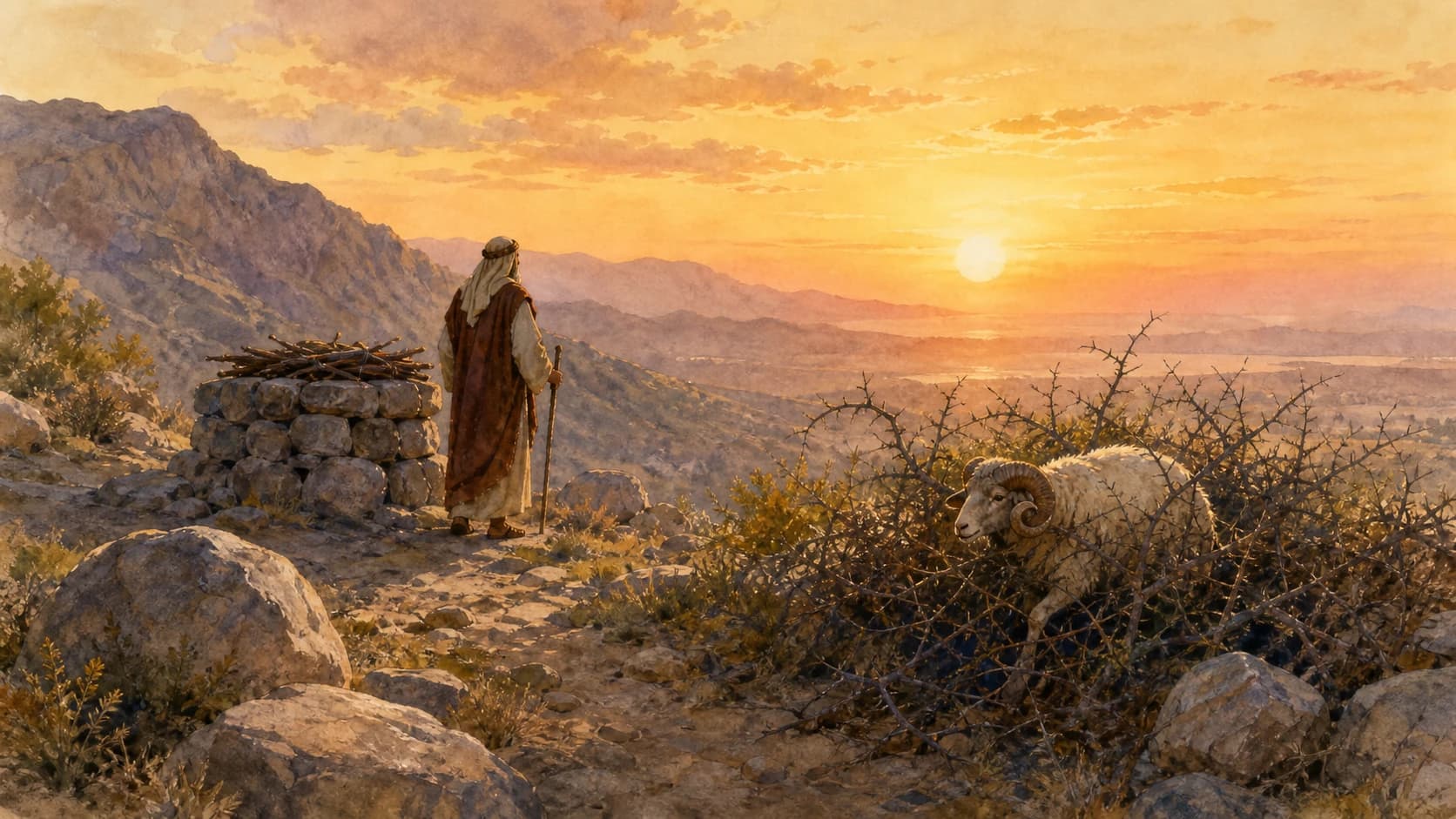
In Genesis 22, God tested Abraham and kept him from laying a hand on Isaac. We look at Abraham’s obedience and the ram God provided.
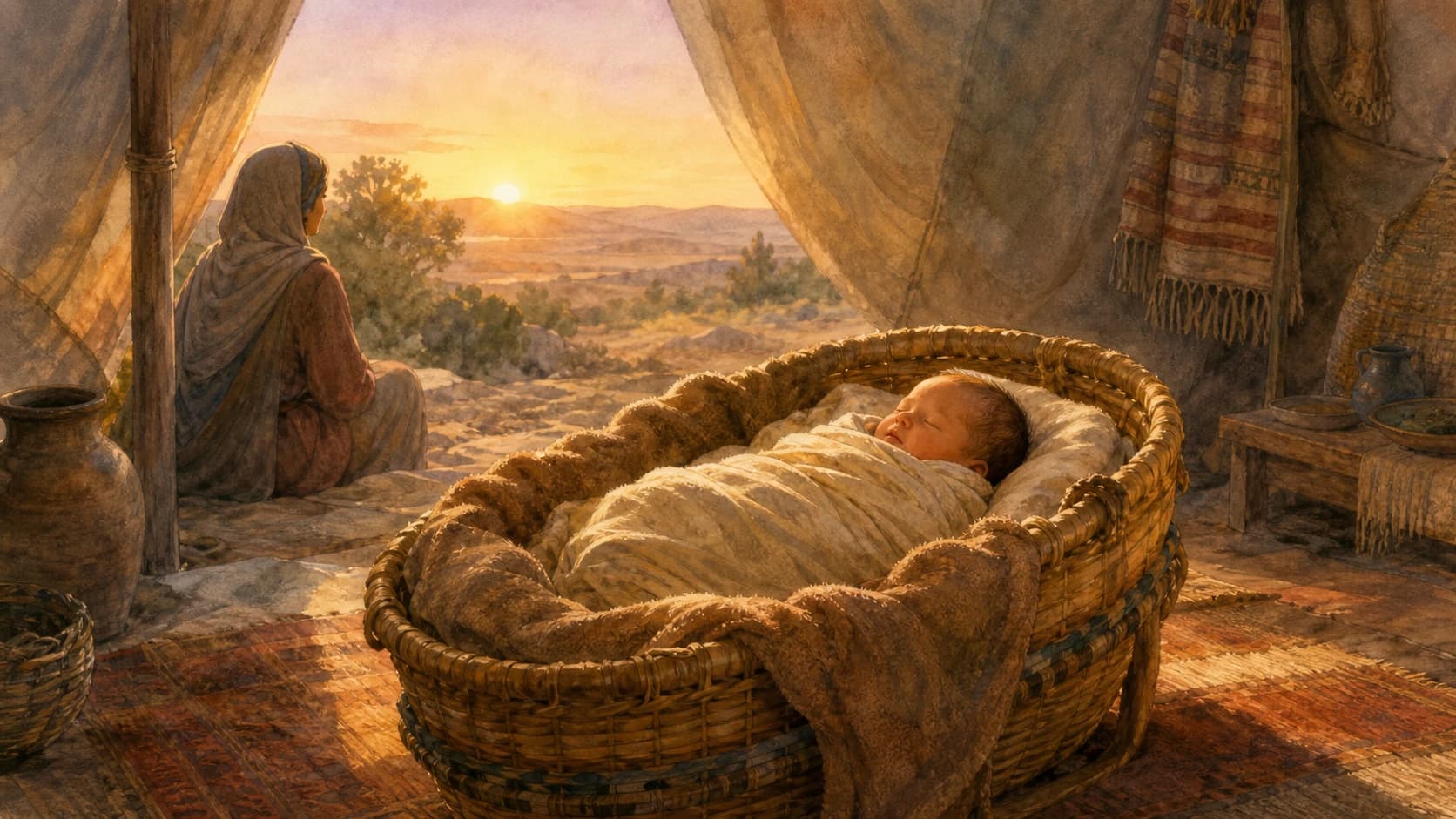
What does Isaac’s birth in Genesis 21 show us? The passage confirms that God carried out what He had spoken to Sarah at the appointed time.
In Genesis 19, we examine from the text why Sodom was condemned to destruction and how God led the delaying Lot out of the city and saved him.
In Genesis 18, we look at God’s reaffirmed promise to Sarah and His answer to Abraham’s plea for Sodom.
In Genesis 17, we look at the covenant God commanded Abraham and the sign of that covenant, and at how Abraham acted that very day exactly as God had spoken.
Genesis 15 tells how God promised Abram an heir, descendants, and land, and established a covenant with him as Abram feared and asked questions.
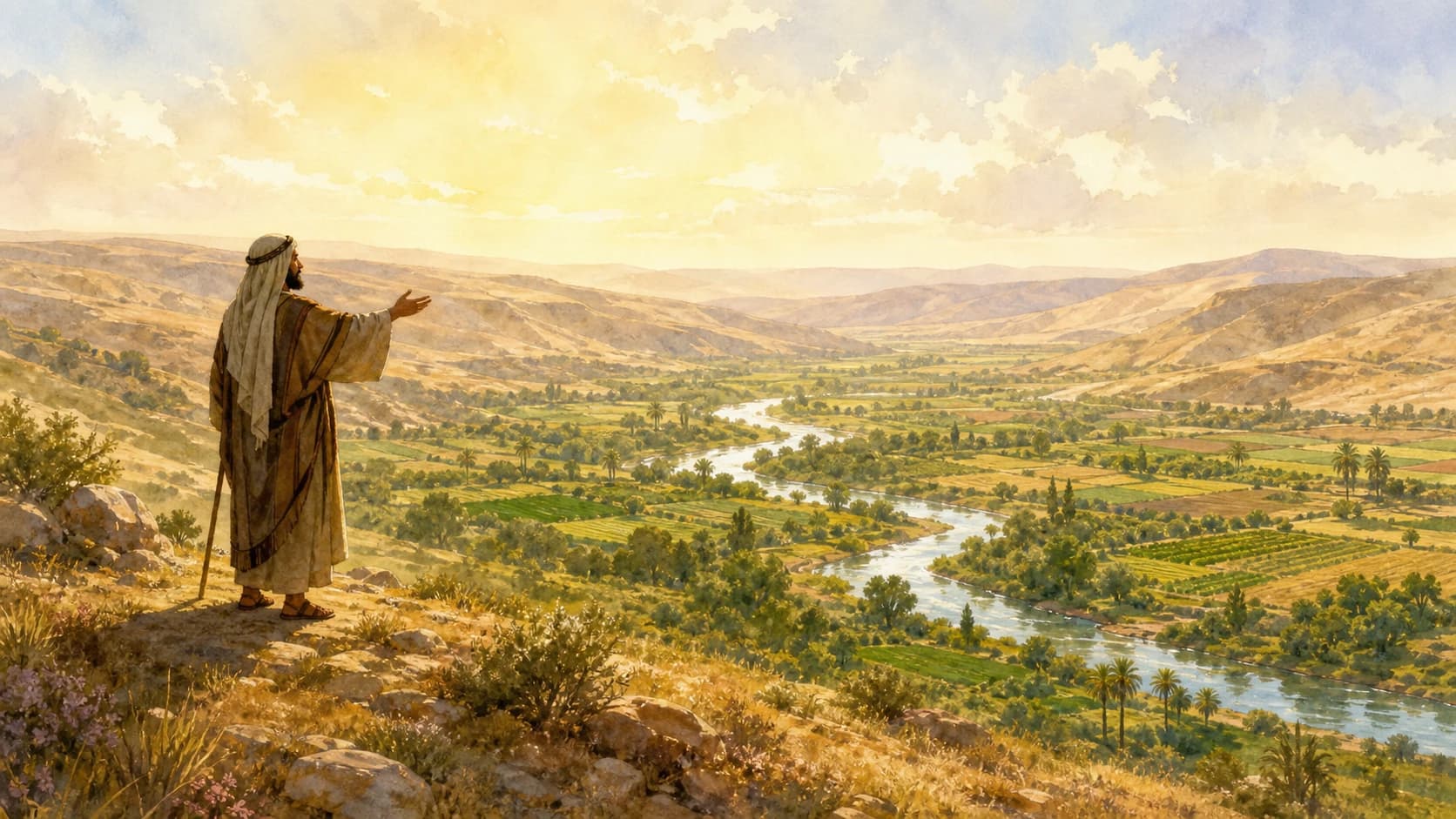
In Genesis 13, Abram lets Lot choose the land first to stop the conflict between their herdsmen. This article examines that choice and the word God spoke afterward.
In Genesis 14, we look at what Abram recovered after Lot was taken captive, along with the people who had been taken, and what goods he refused after meeting Melchizedek and the king of Sodom.
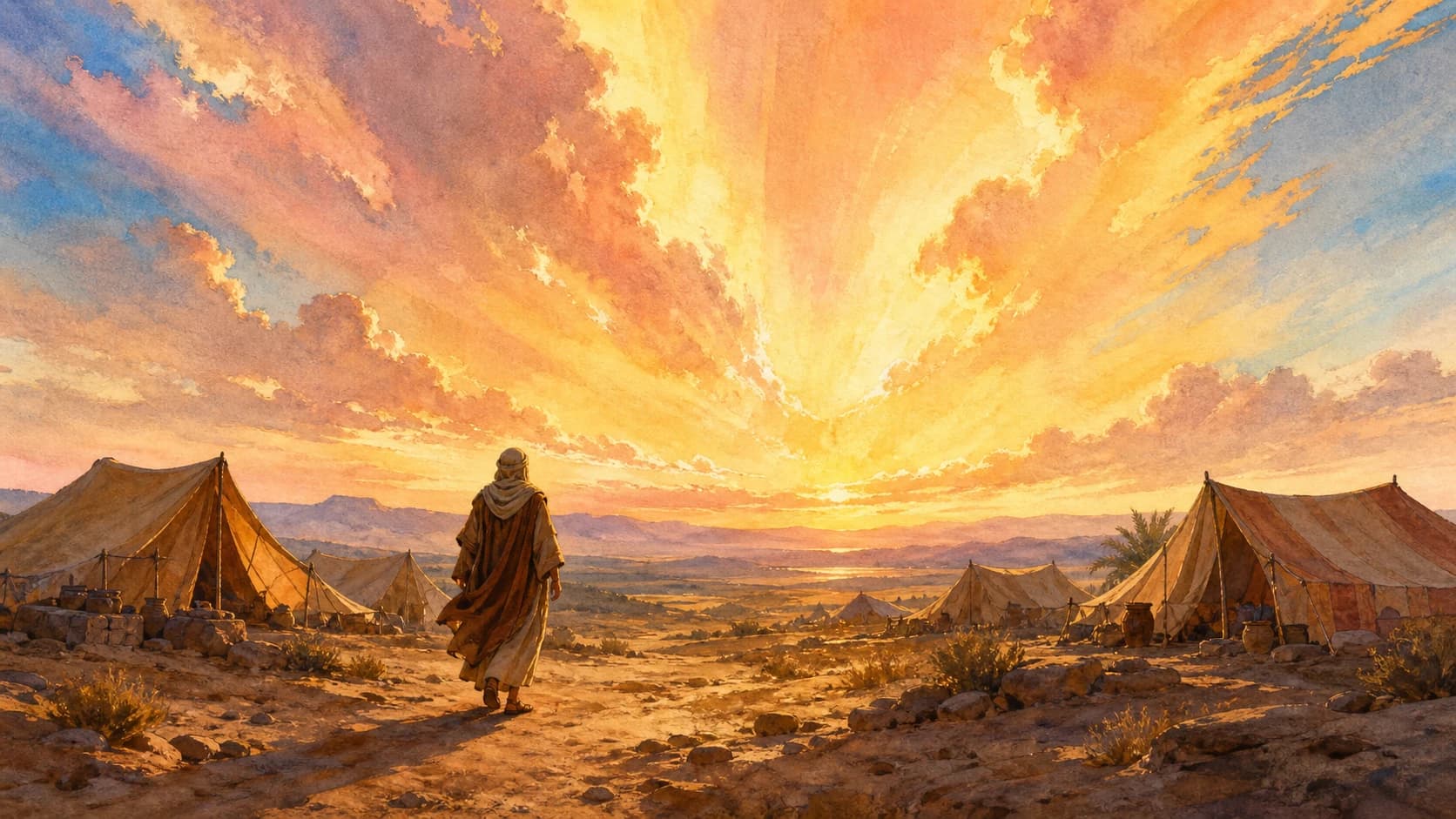
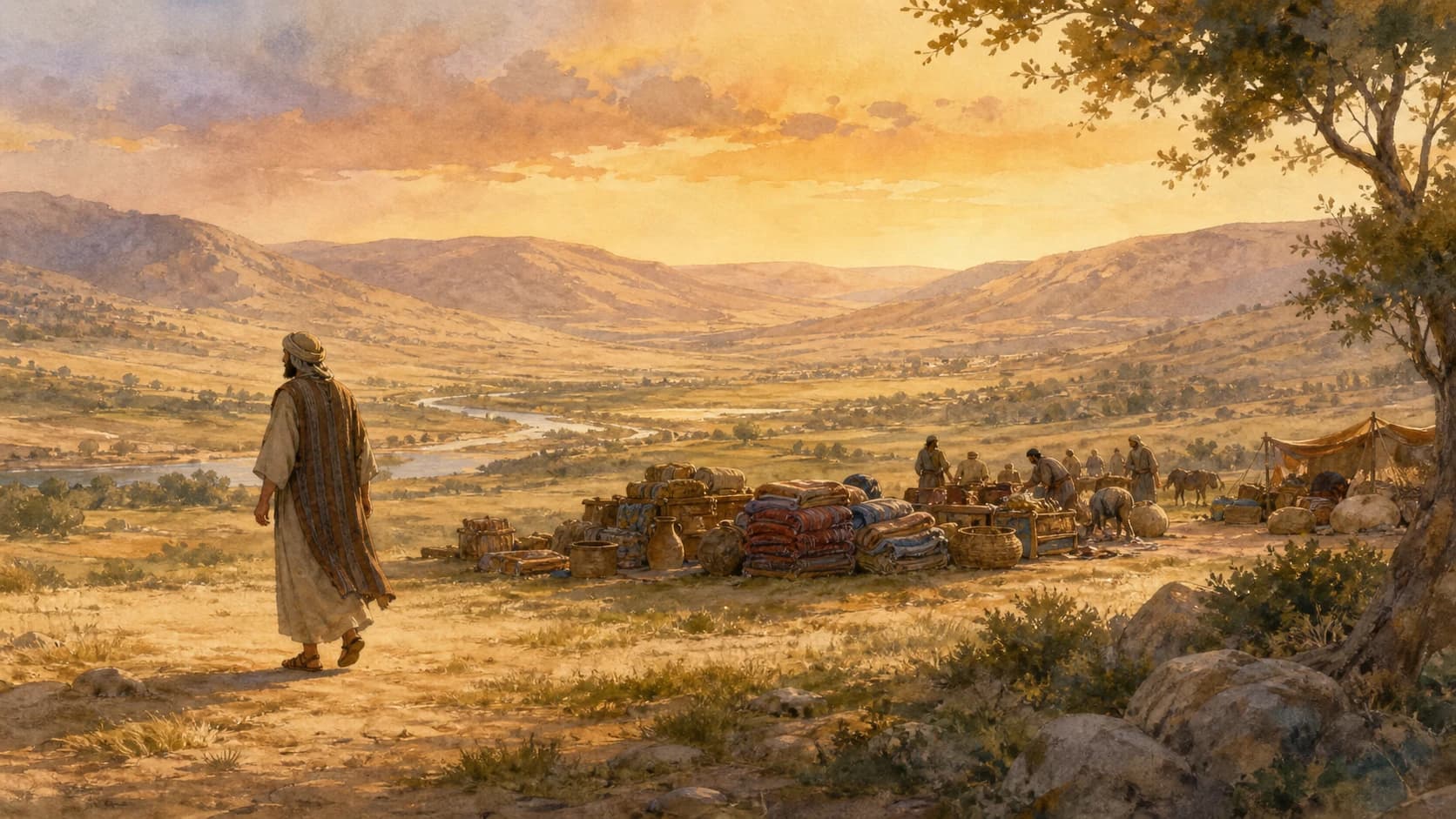
In Genesis 12, we examine the command and promise God gave Abram, the process by which Abram left Haran, and what happened in Egypt.
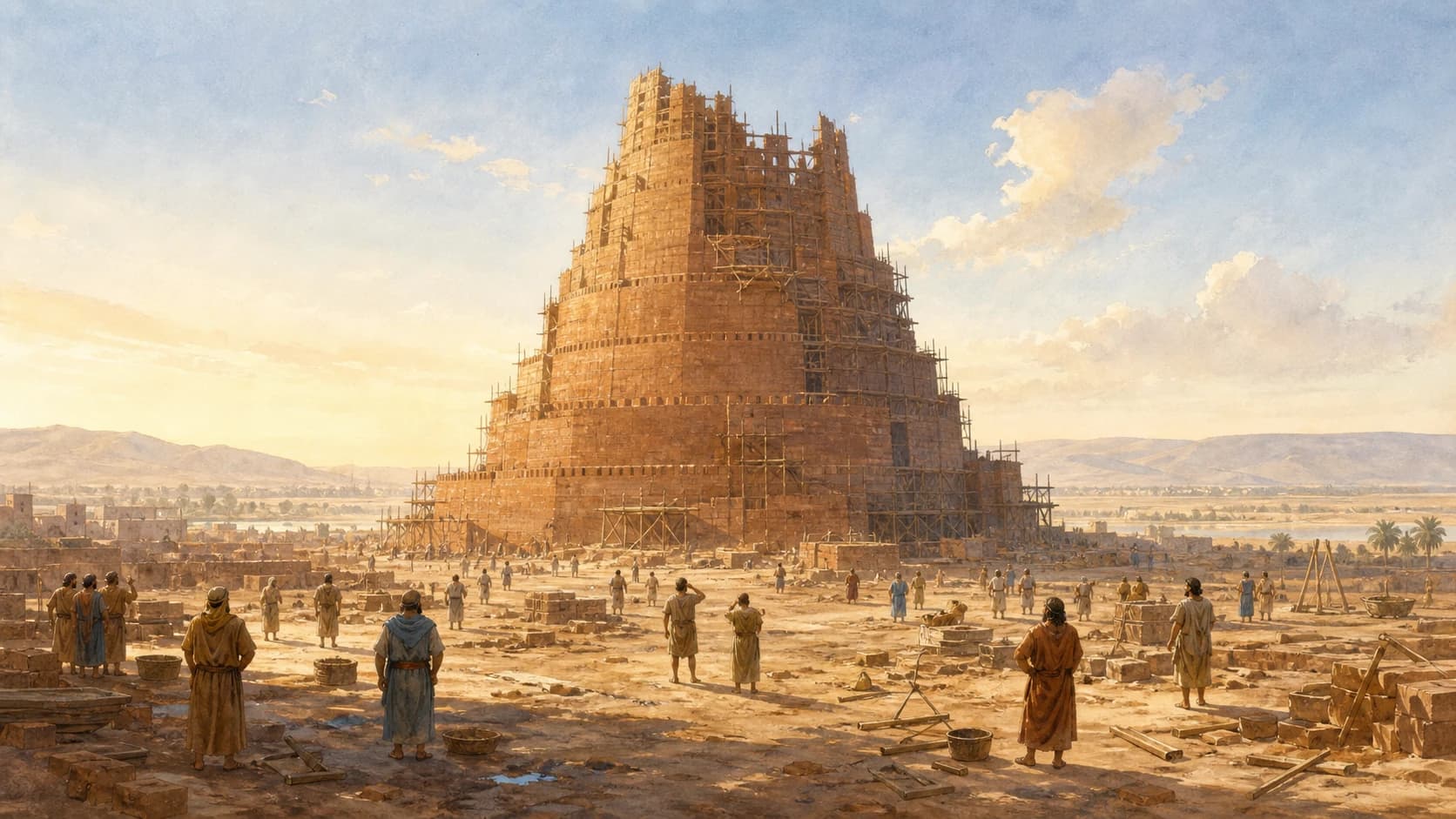
In Genesis 11, we look at why people built a city and a tower, and at the result when God confused their language and scattered them over the face of the whole earth.
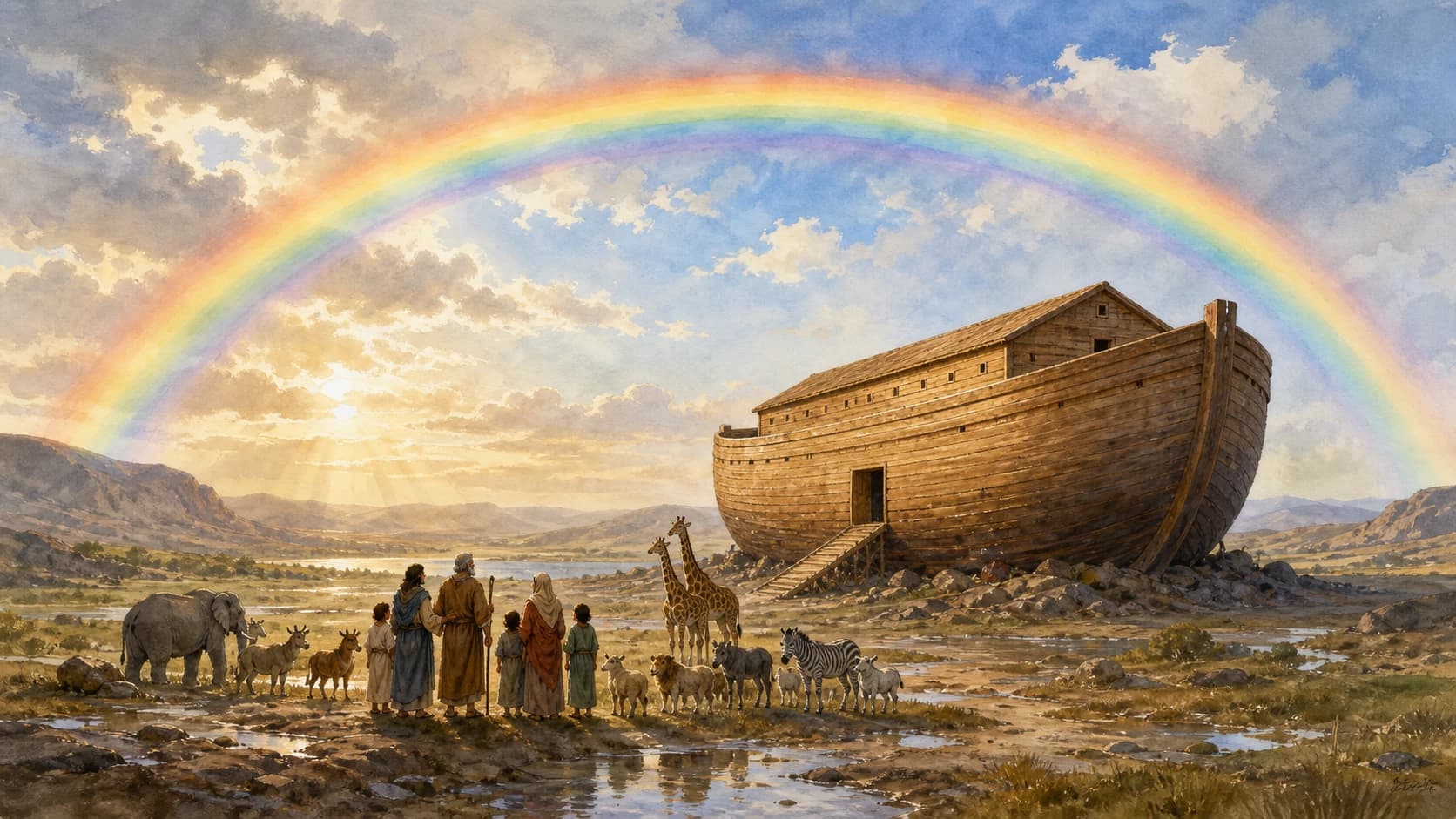
In Genesis 9, we look at the covenant God made with Noah and all living creatures, the rainbow as its sign, and the standard for how life should be treated.
In Genesis 4, we look at what God said to angry Cain, Cain’s choice, and the consequences, and we identify the passage to read when anger rises.
Genesis 5 records how Adam’s descendants continued from the human created in God’s image, and tells of Enoch’s walk with God and Noah’s birth.
This article examines how Adam and the woman hid and shifted responsibility after disobeying God's word in Genesis 3, and reviews the consequences God announced.
Genesis 1 follows God's creation of the heavens and the earth by his word, and examines how he made people in his own image and gave them a blessing and work to do.
Exodus 2 shows Moses living as a foreigner in an unfamiliar land and the Israelites crying out under oppression. Explore how God responds to their cries of suffering.
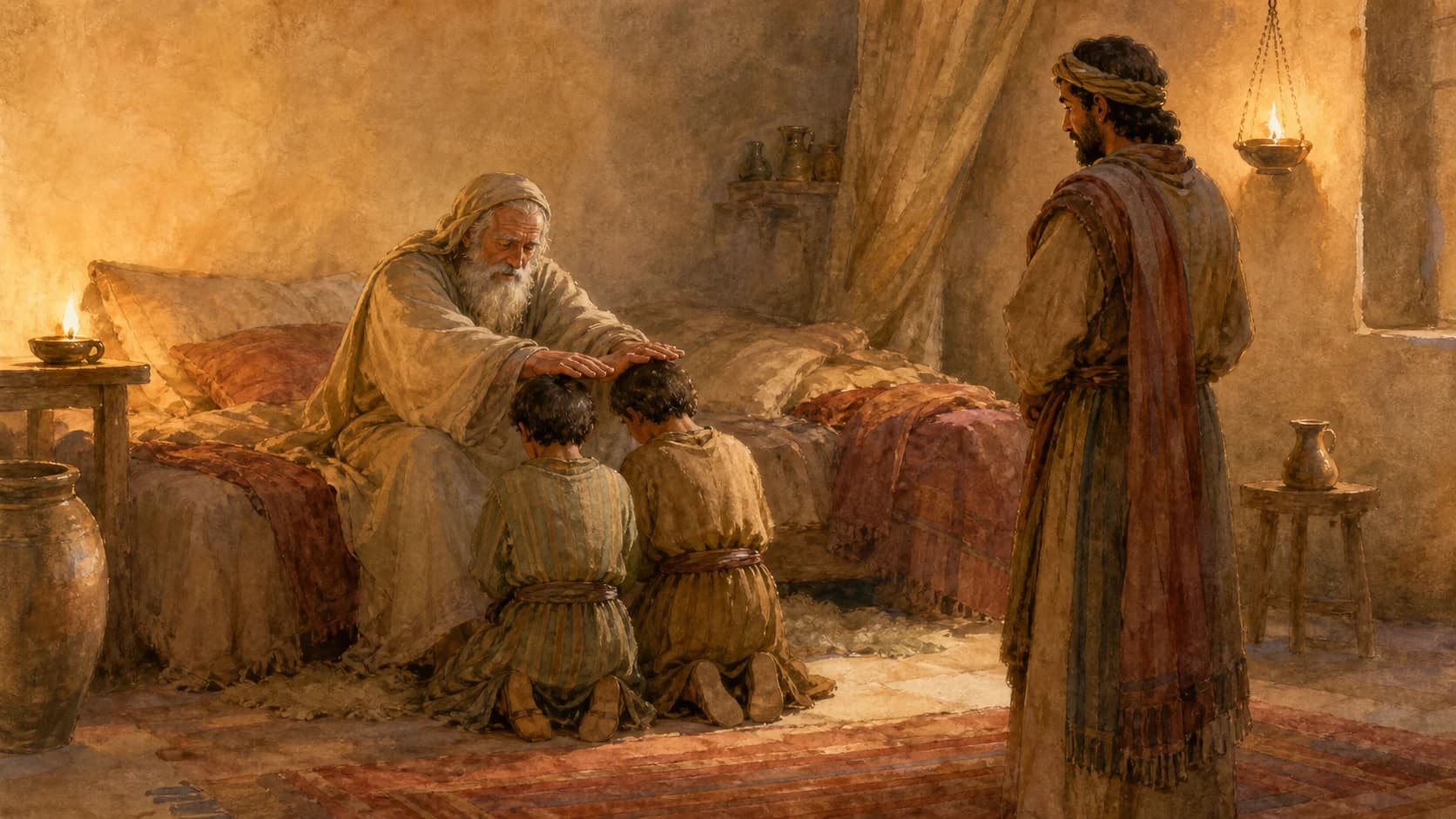
Explore the meaning of Genesis 48, where Jacob, nearing death, recalls God’s promises and faithful care as he blesses Joseph’s two sons—and consider how we can put its message into practice today.
Genesis 47 shows how Jacob’s family and the people of Egypt found a place to live and food to eat during a severe famine. It invites us to consider the importance of honestly acknowledging our struggles and asking for the help we need.
Explore why Judah offered to become a servant in Benjamin’s place in Genesis 44, and learn practical ways to take responsibility for your promises in times of crisis.
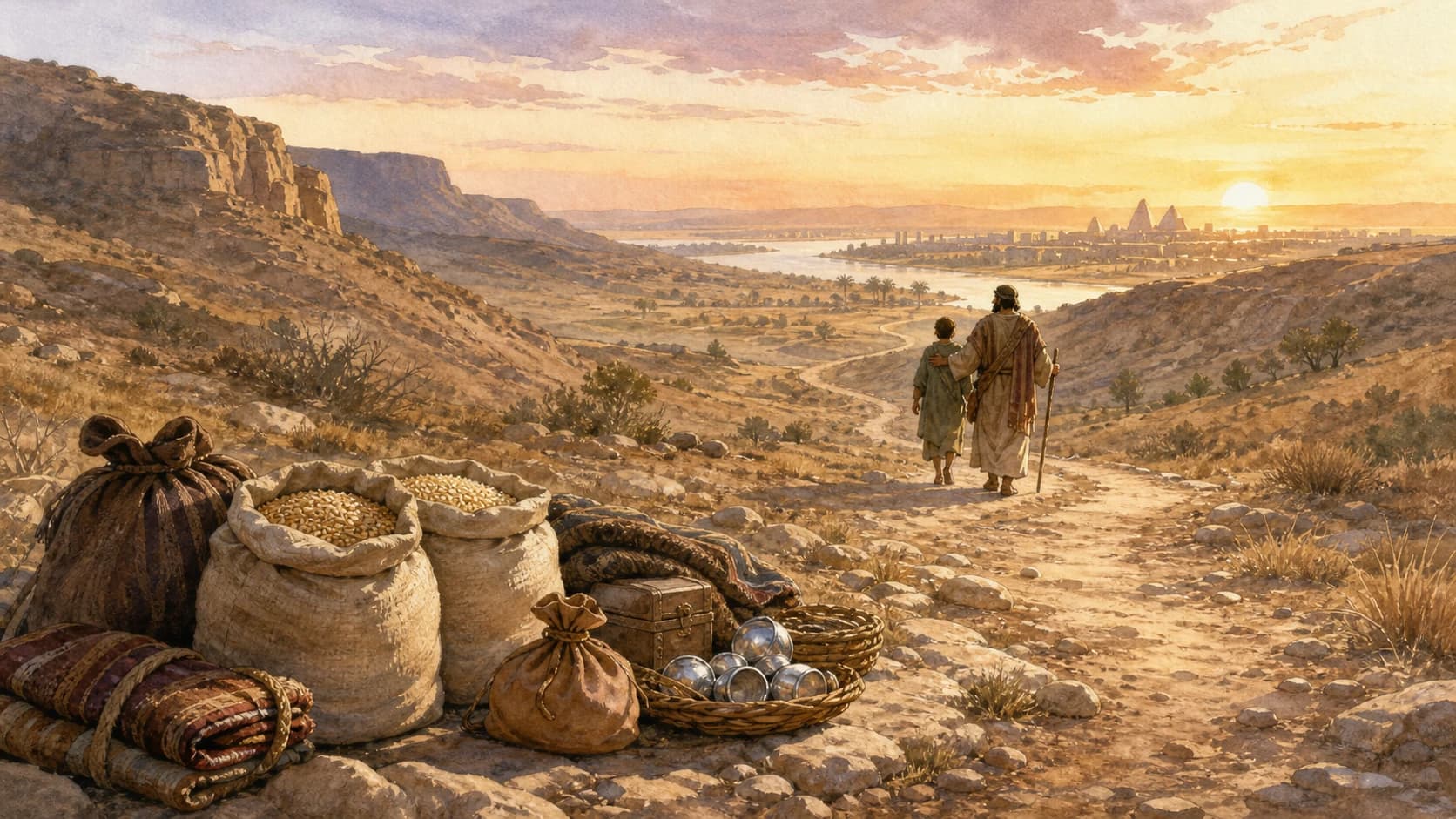
Genesis 46 shows the promise God gave Jacob as he prepared to leave for Egypt and how Jacob responded by taking action with his entire family.
Genesis 43 shows us that instead of waiting for fear to disappear, we can take responsibility, prepare what we can, and do what needs to be done.
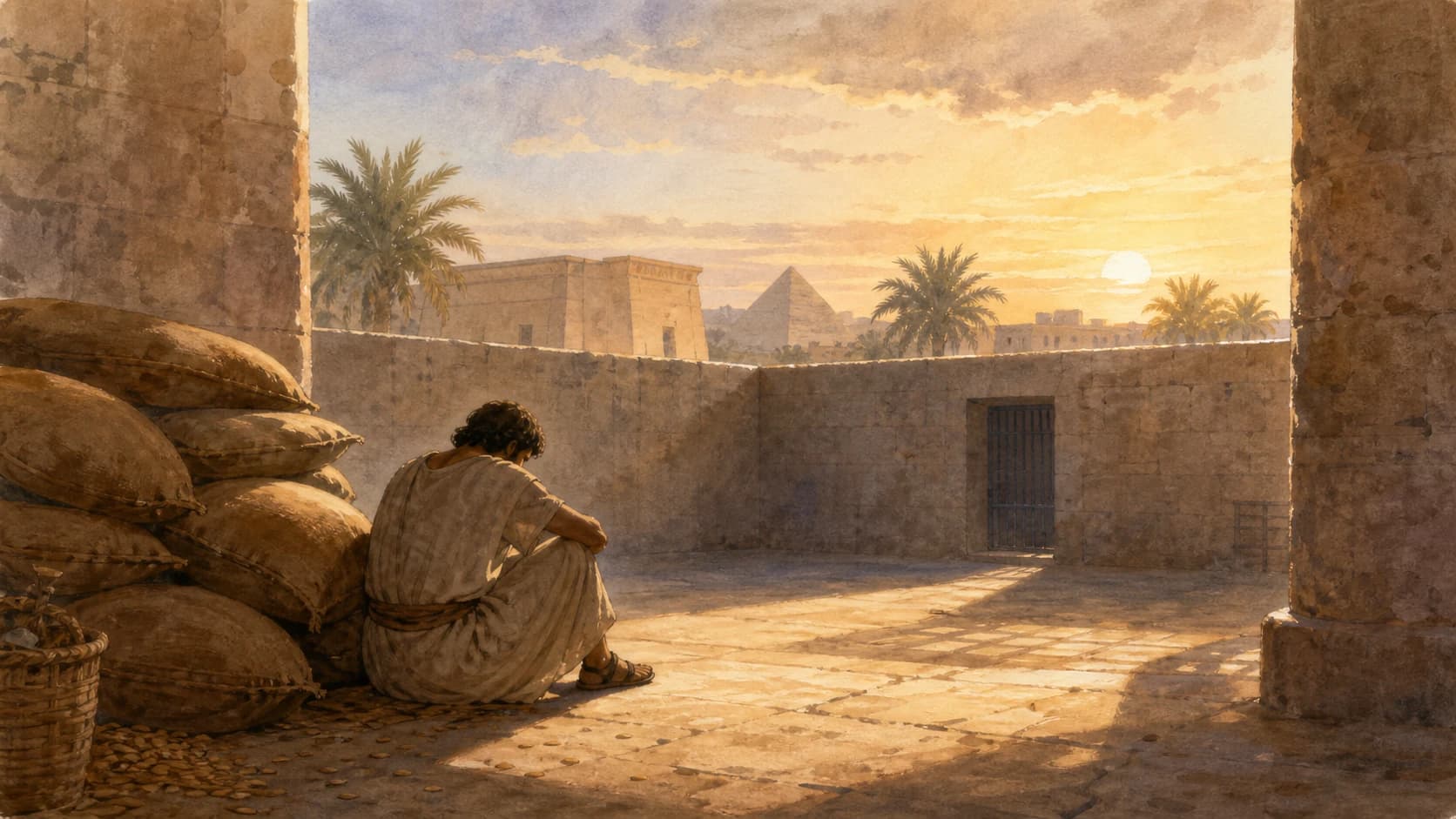
Explore how Joseph’s brothers came to recognize their past wrongdoing in Genesis 42 and discover one practical step you can take today to stop avoiding your own mistakes.
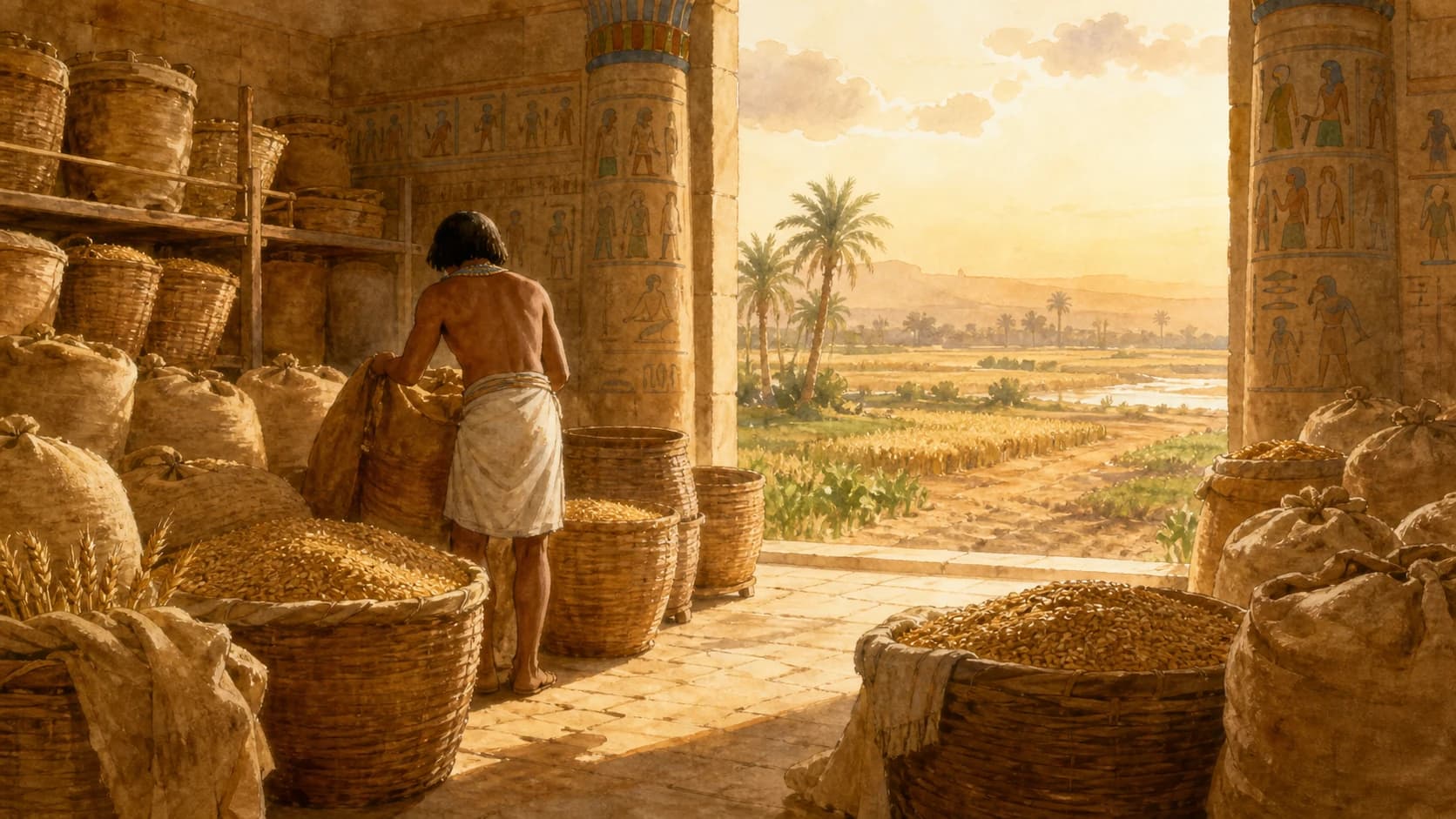
In Genesis 41, we explore how Joseph understood and prepared for years of abundance and famine, and identify one practical way to prepare today while times are good.