Find practical posts about Bible reading plans, daily habits, and AI Bible study tools.
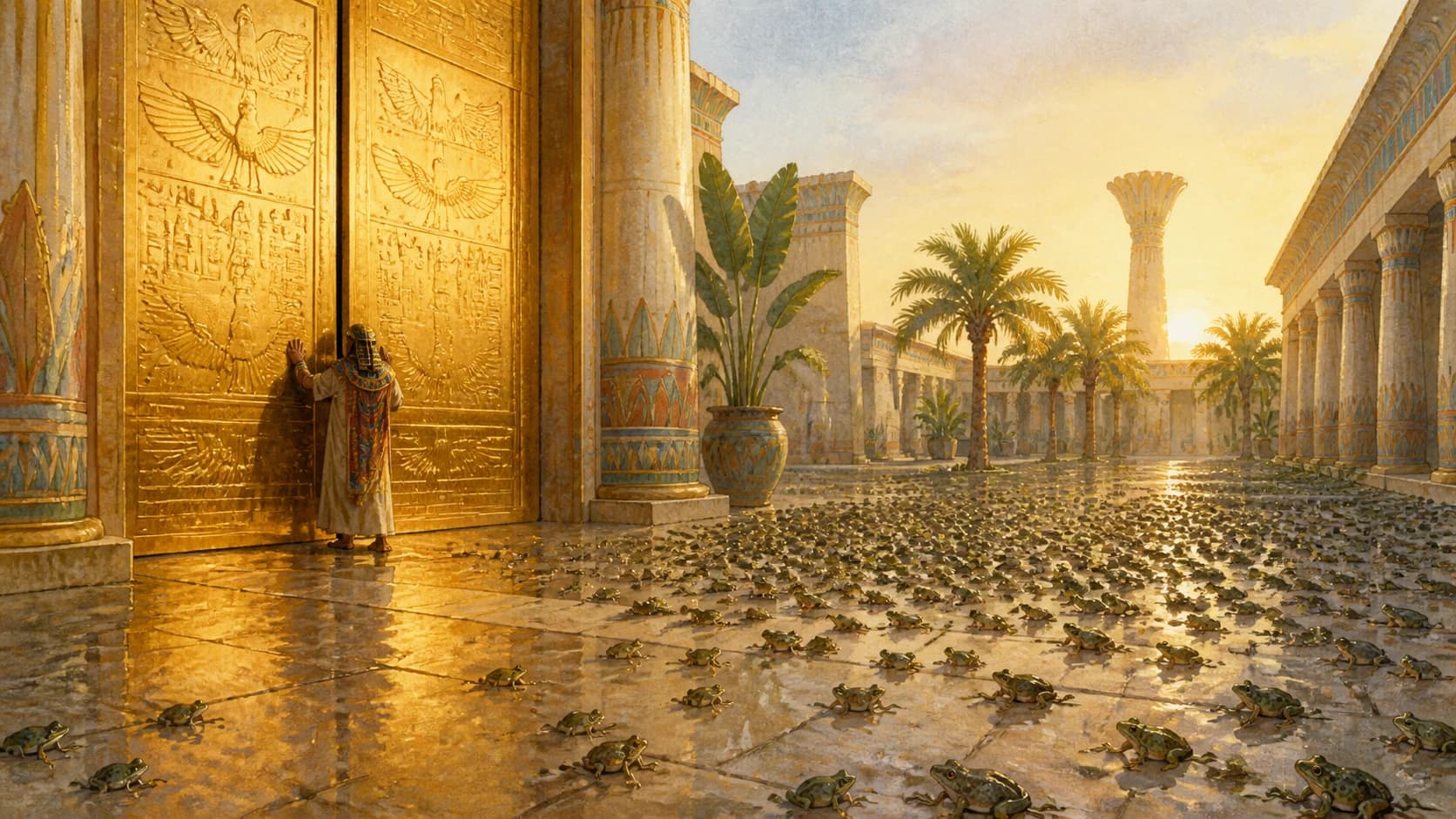
Follow the events of Exodus 12 to see how the Israelite households escaped the plague on Passover night and how the people departed from Egypt.
In Exodus 8, Pharaoh broke his promises after the frogs and swarms of flies disappeared. Explore his repeated refusal and one practical step you can take today.

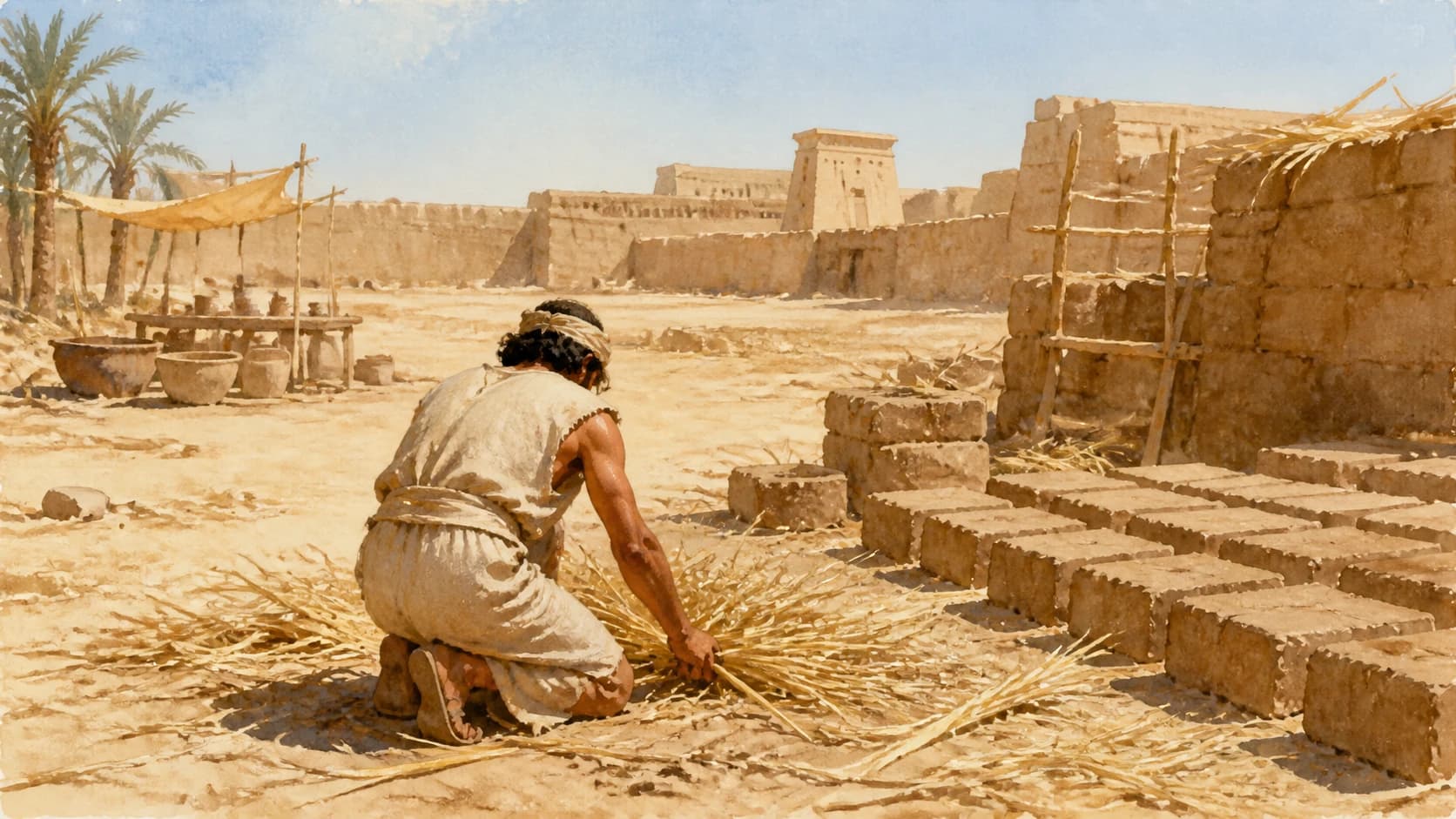
In Exodus 5, we look at the process from Pharaoh’s rejection of God’s word to Israel’s harsher labor and Moses’ appeal to God.
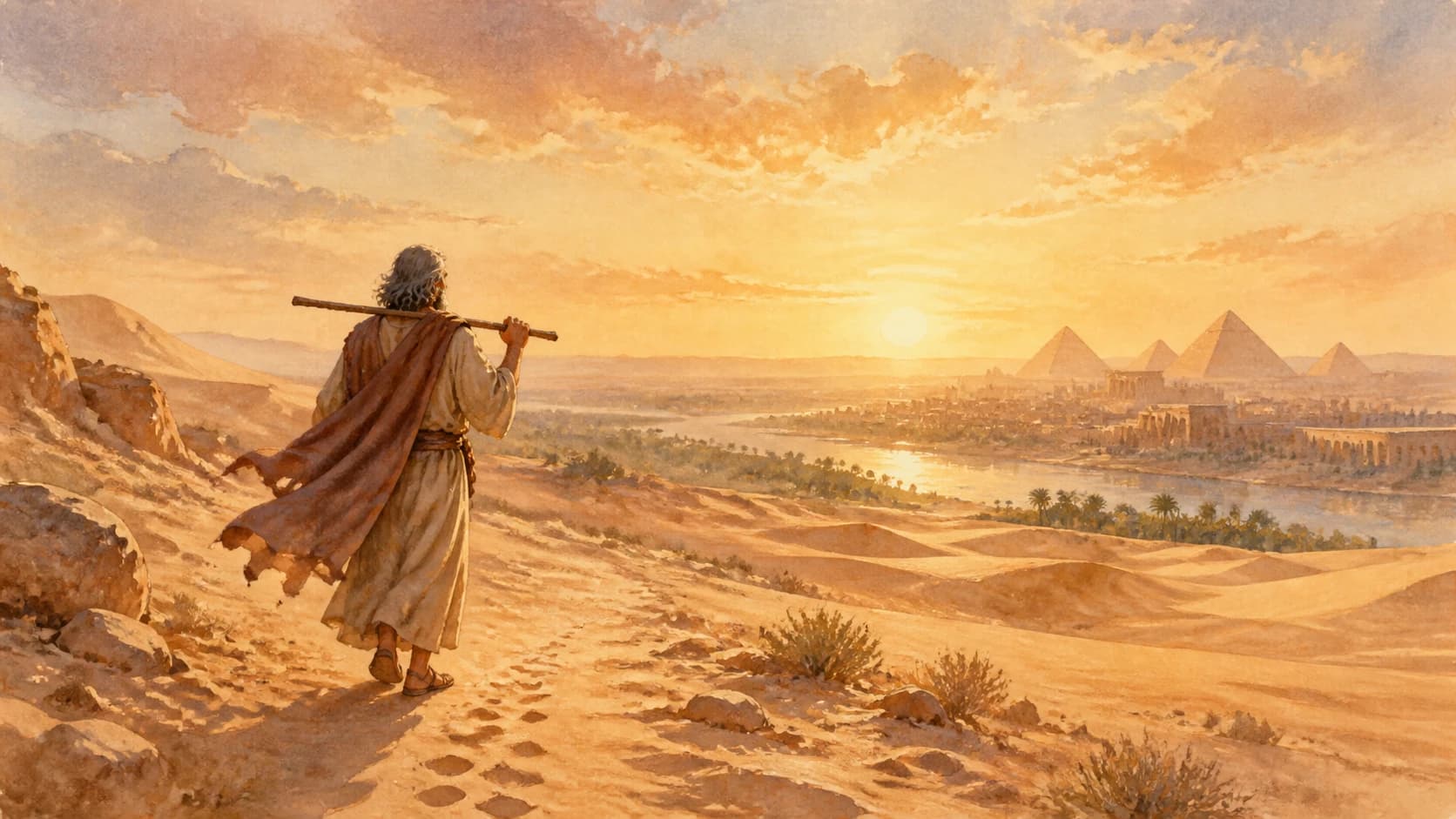
In Exodus 4, we look at how God answered Moses’s concerns with signs, words, and Aaron, and sent him back to Egypt.
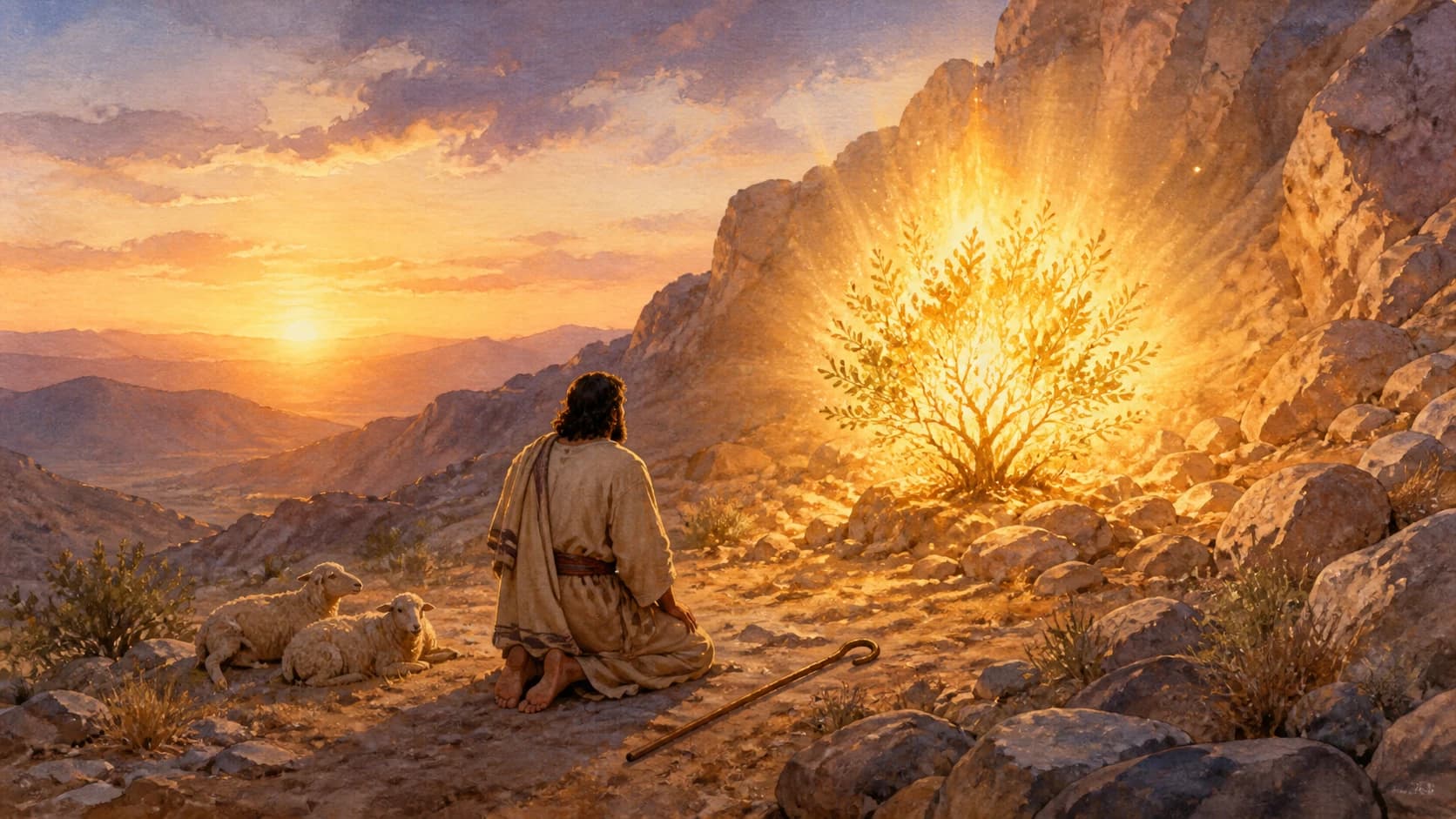
In Exodus 3, we look at why God saw the suffering of Israel and called Moses, along with the work He entrusted to him, following the text closely.
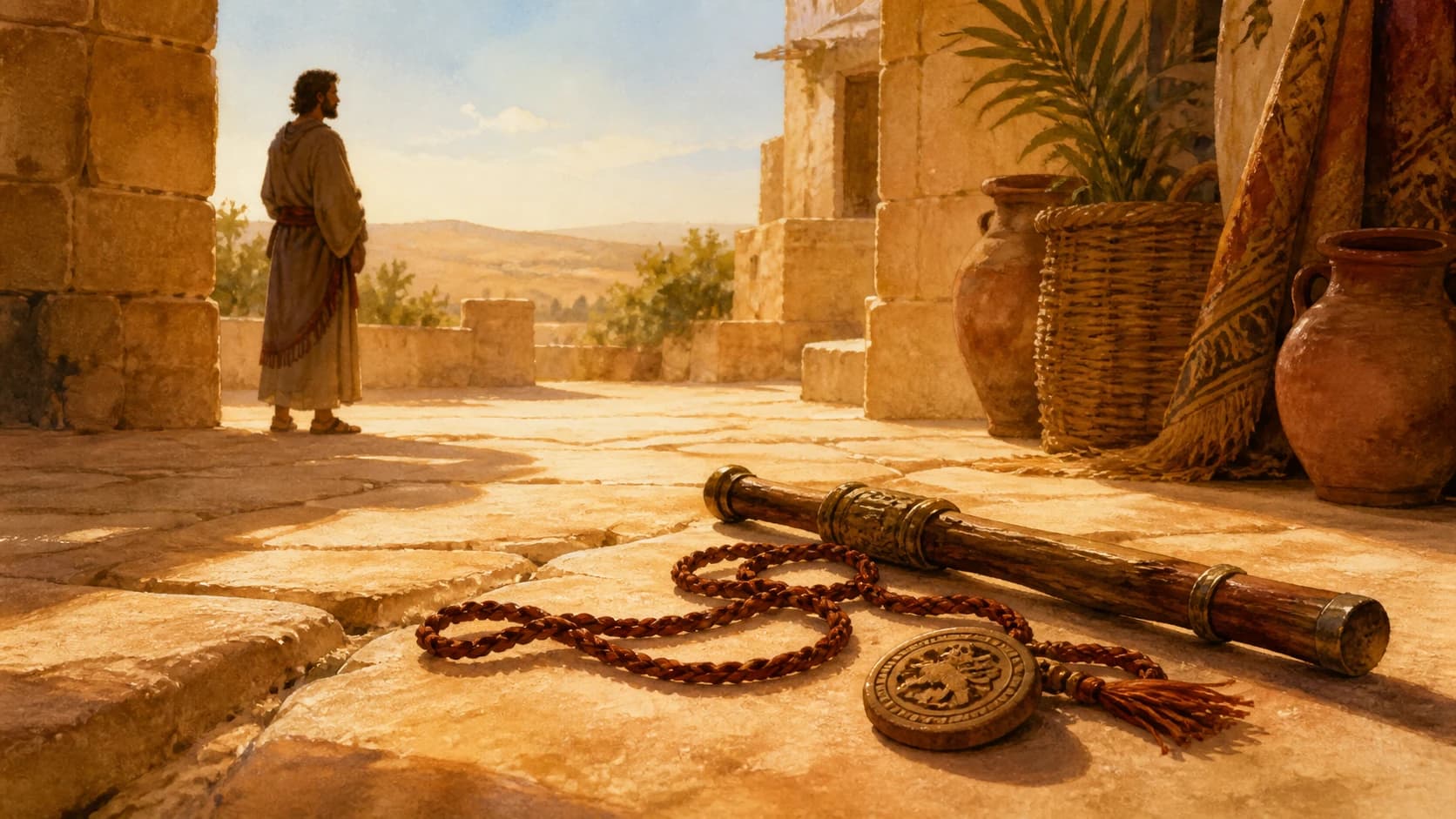
In Genesis 38, we examine why Judah condemned Tamar, then acknowledged after confirming his seal, cord, and staff that Tamar was more righteous than he was.
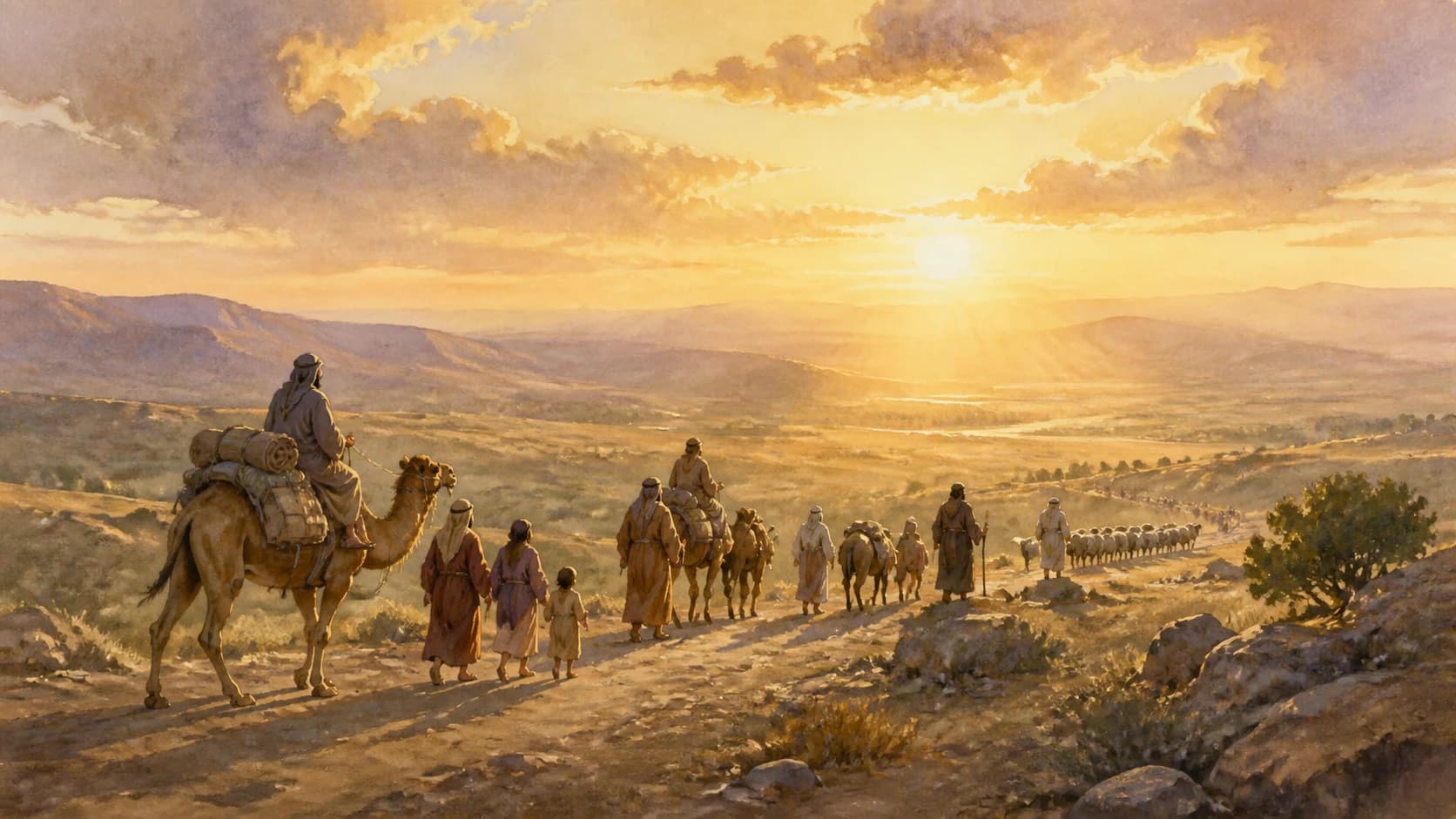
In Genesis 31, God told Jacob to return to his homeland and protected him even amid Laban’s pursuit and threats.
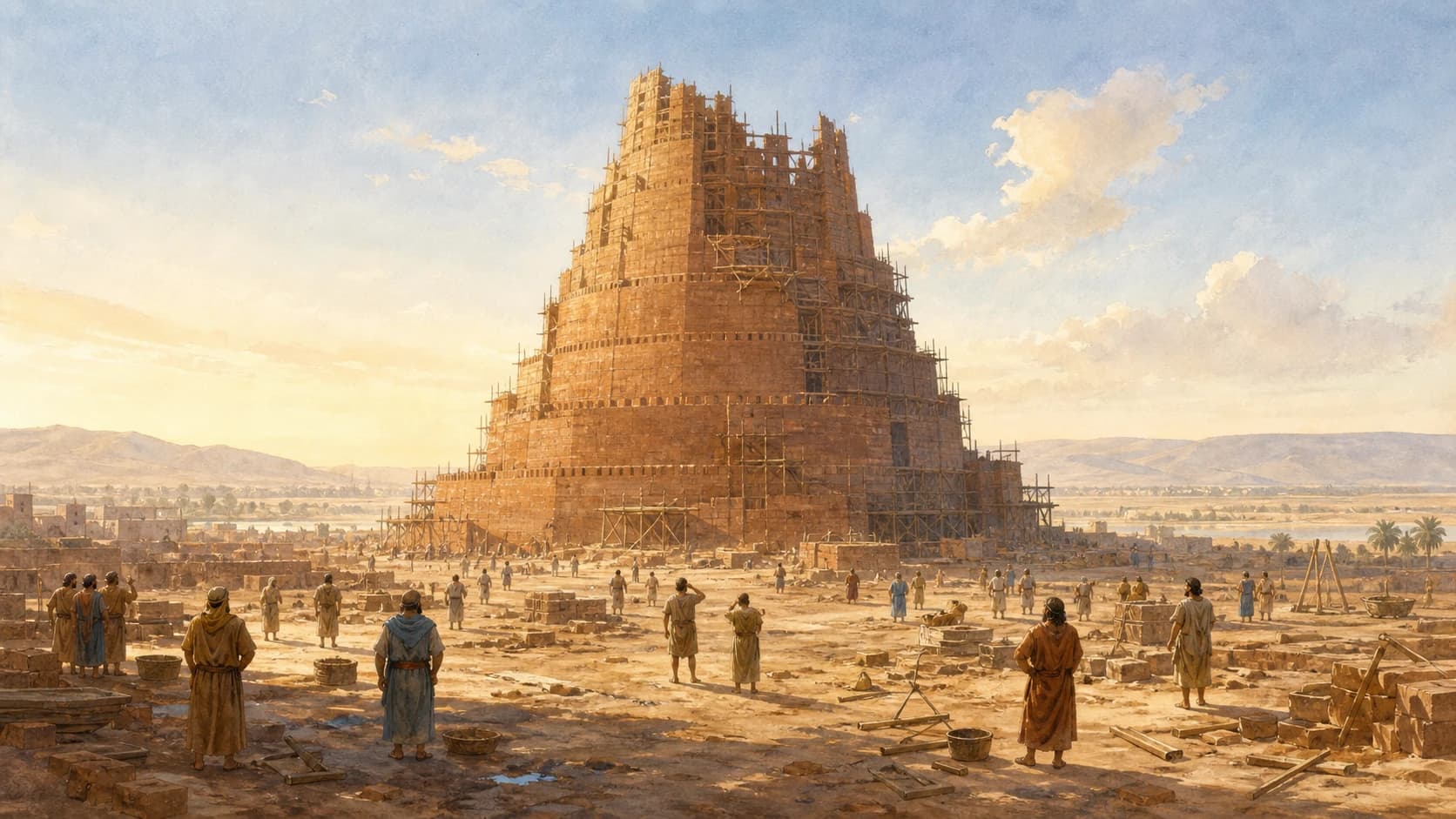
In Genesis 11, we look at why people built a city and a tower, and at the result when God confused their language and scattered them over the face of the whole earth.
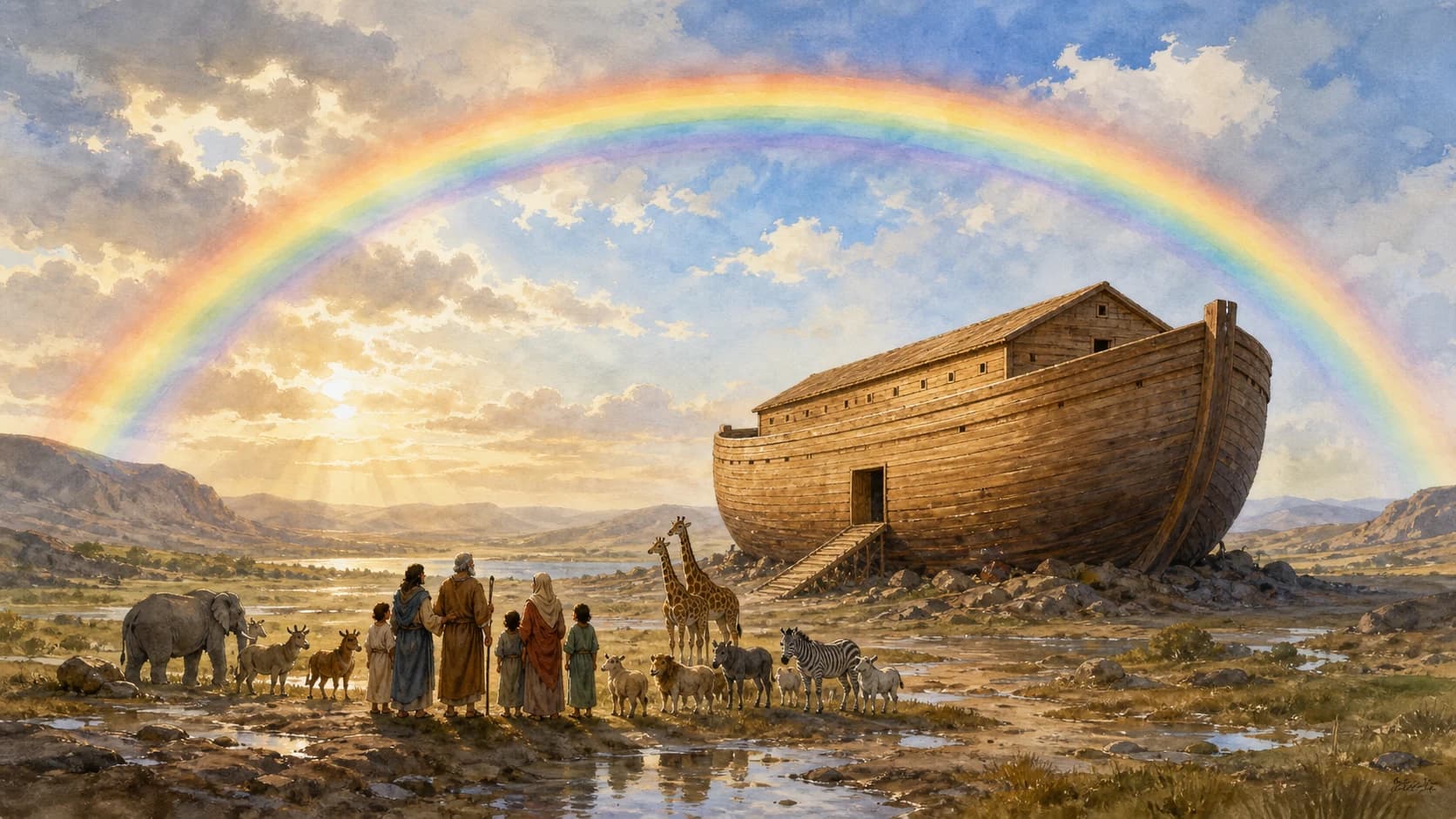
In Genesis 9, we look at the covenant God made with Noah and all living creatures, the rainbow as its sign, and the standard for how life should be treated.
In Genesis 4, we look at what God said to angry Cain, Cain’s choice, and the consequences, and we identify the passage to read when anger rises.
Genesis 1 follows God's creation of the heavens and the earth by his word, and examines how he made people in his own image and gave them a blessing and work to do.
In Genesis 41, we explore how Joseph understood and prepared for years of abundance and famine, and identify one practical way to prepare today while times are good.
Genesis 36 describes how Esau moved away when he and Jacob could no longer live together because they had too many possessions. Consider choices that can reduce conflict.
This article provides a concise summary of the core themes of Song of Songs, exploring its flow, key verses, the beauty of marital love, and how God’s holy love for His people is reflected in our daily lives.
People who continue reading the Bible over time share certain habits. When they encourage one another, remain in the passage, and continue with small obedience instead of demanding plans, the rhythm of the Word takes deep root in life.
Bible reading is more about rhythm than resolve. We’ve organized the importance of reading the entire Bible, common misconceptions that hinder progress, and principles for maintaining a consistent reading habit and application — all Biblically.
Bible chronology is a way to see God’s history of salvation more clearly by following the flow of events rather than the arrangement of books. This guide calmly organizes the broad line of redemption from creation through Christ and the church.
This guide to reading the Old Testament explains why it can feel overwhelming and organizes the broad flow of the Pentateuch, historical books, wisdom books, and prophets together with a daily routine for continuing steadily.
When choosing a Bible translation, prioritize truly understanding God's Word and maintaining consistency over mere familiarity or trendiness. We outline the differences in translation principles and how to utilize various versions based on your reading purpose.
Exploring the geography and history of Samaria, the mountaintop debates, and following passages from John 4 and Acts 8, we examine how the gospel transcends old divisions and boundaries from a biblical perspective.
A practical guide for those feeling overwhelmed about how to start and maintain their New Testament reading plan. It organizes biblically the suggested order, manageable quantities, application-focused routines, and ways to resume after interruption.
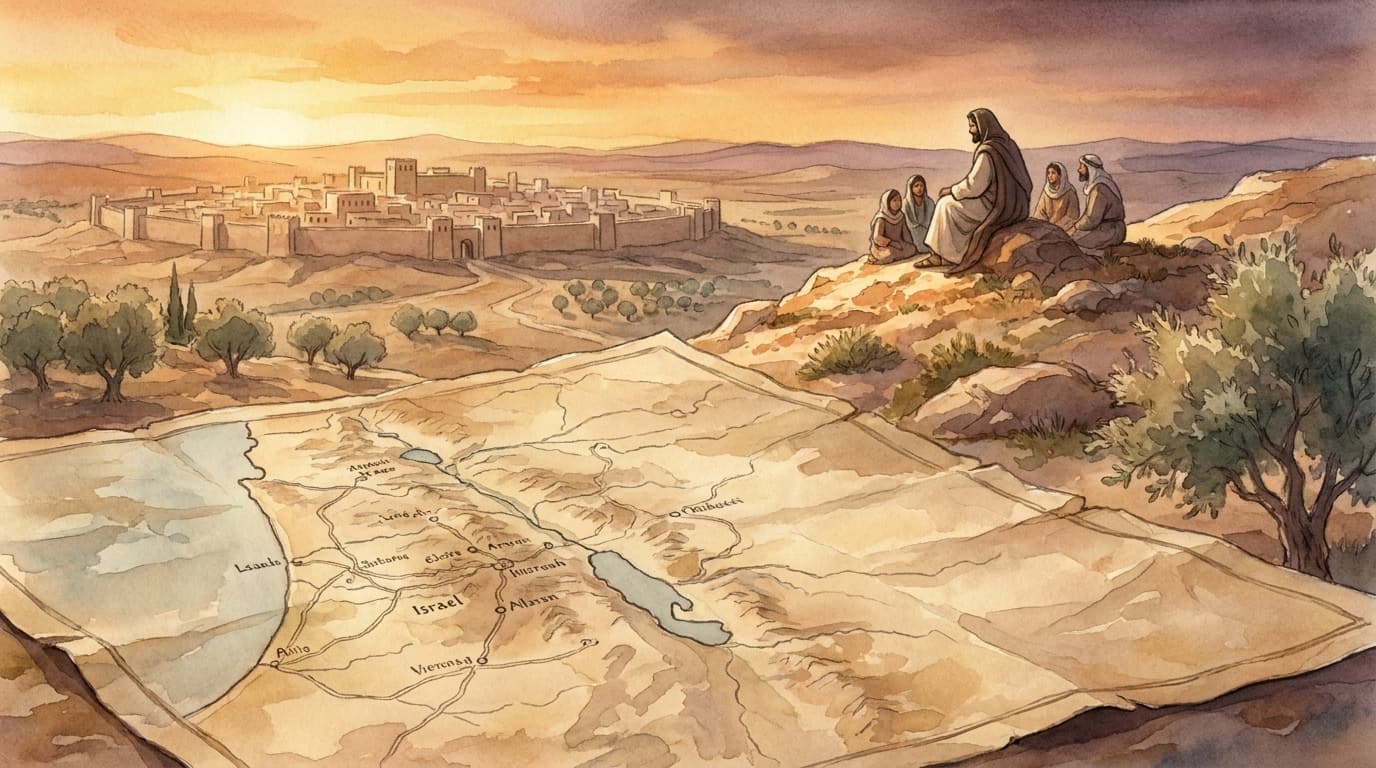
Biblical background geography is not about memorizing place names but about helping you see more clearly that God has worked within actual history and space. This article introduces a method to read texts in a three-dimensional way, following the journey of Exodus, the Gospels, and Acts.
An overview of the benefits, precautions, daily reading amounts, and practical routines for completing a 90-day Bible reading plan. This guide emphasizes understanding the big picture and Christ more clearly, rather than merely finishing quickly.
Understand both the familiarity and uniqueness of the King James Version, and explore practical ways to interpret and apply the Word through contextual reading and short routines, leading to a life of obedience.