Find practical posts about Bible reading plans, daily habits, and AI Bible study tools.
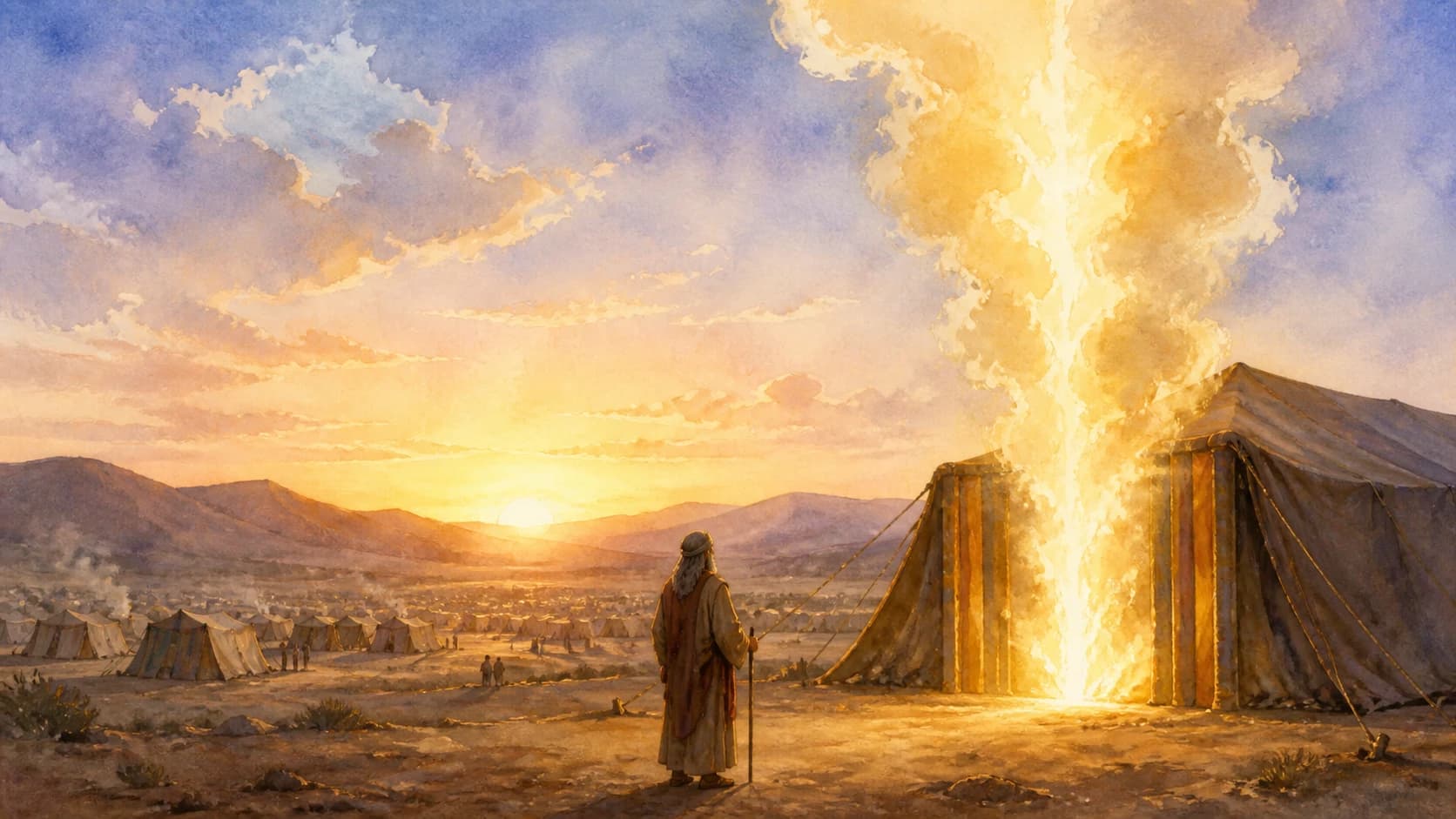
Explore how Exodus 34 moves from God rewriting His words on new stone tablets to giving the covenant concrete form through commands about worship, festivals, and rest.
In Exodus 33, Moses valued God’s presence more than the Promised Land. Discover what set Israel apart and how God answered Moses.
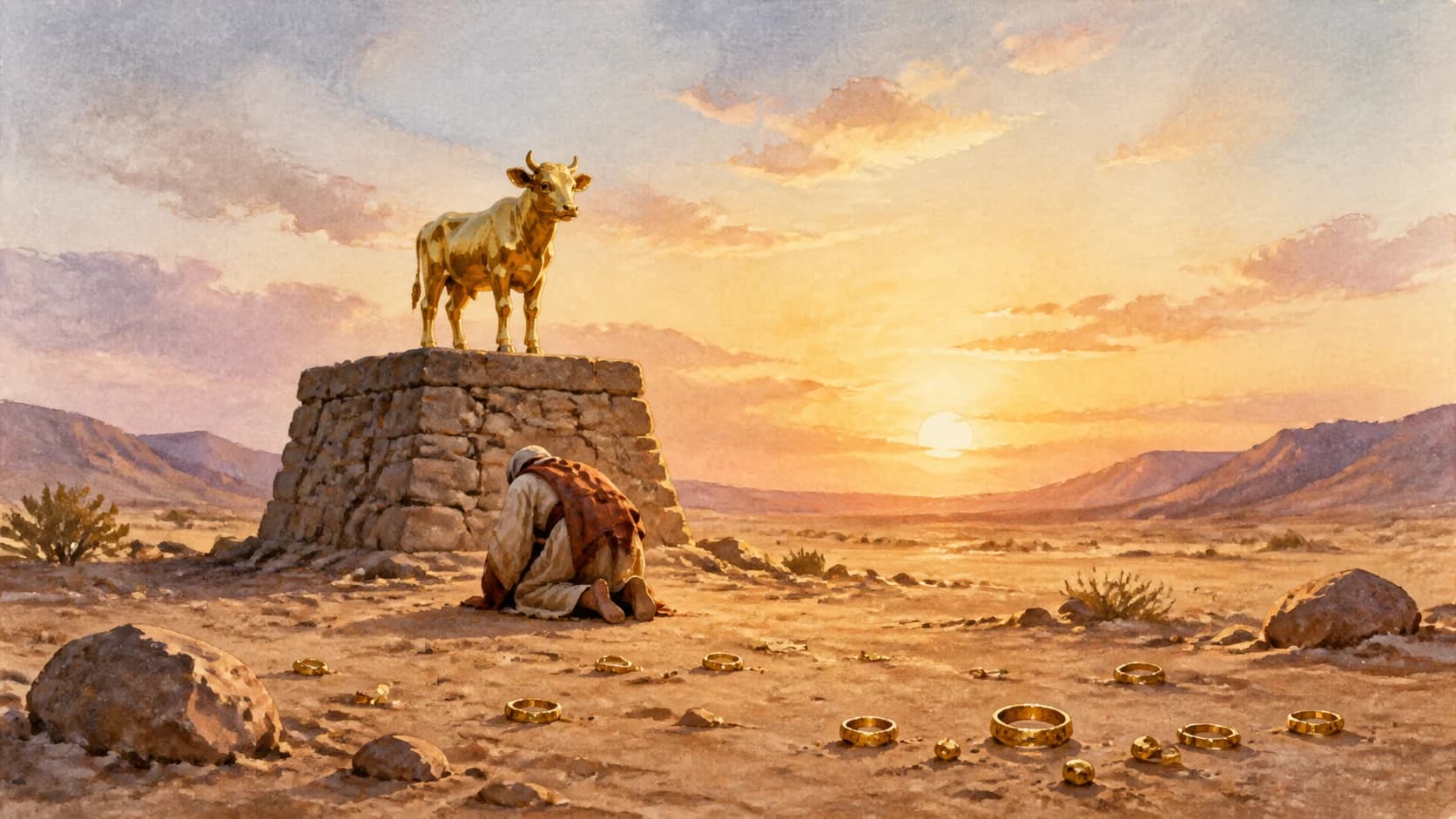
Explore how the people made the golden calf in Exodus 32 and credited it with God's work, along with Moses' intercession and the responsibility that remained.
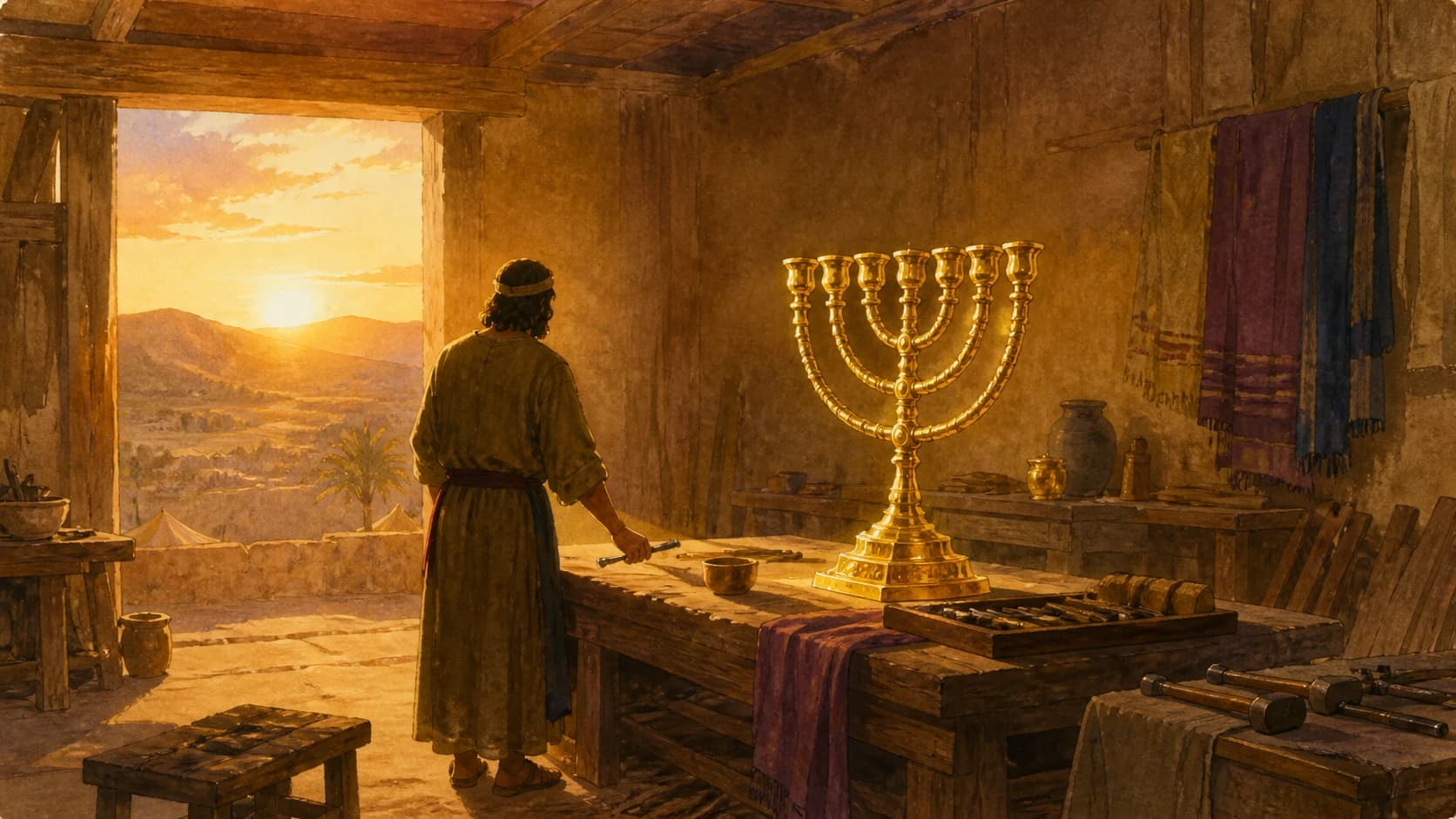
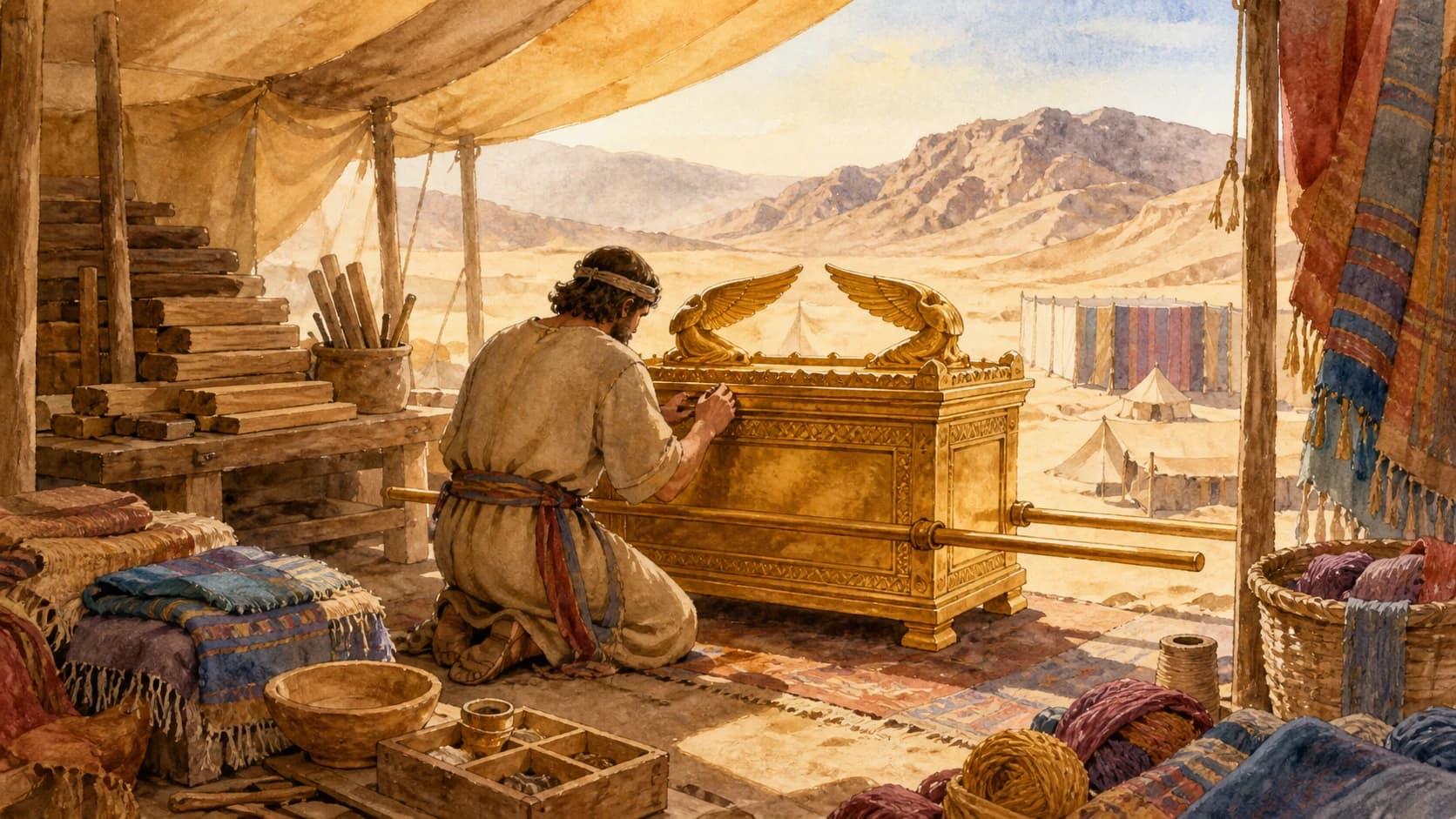
Exodus 31 brings together the skilled work of building the tabernacle and the command to rest on the Sabbath. It shows how doing our assigned work with care is connected to stopping when the appointed time comes.
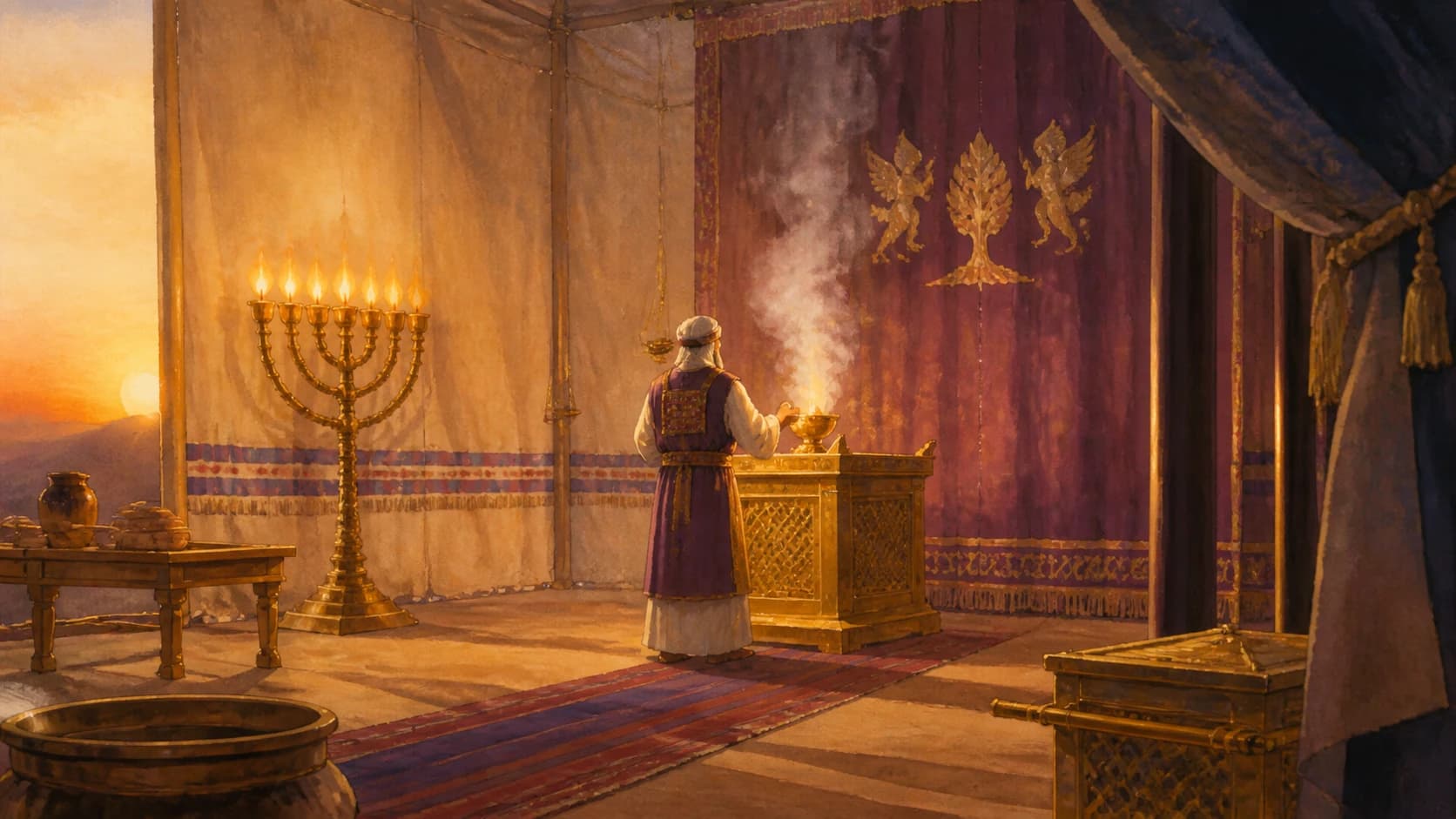
Explore how service before God was continually practiced and set apart through the instructions in Exodus 30 concerning the altar of incense, atonement money, bronze basin, anointing oil, and incense.
Explore the priestly ordination, seven days of sin offerings, and morning and evening burnt offerings in Exodus 29, tracing how they lead to God dwelling among His people.
Exodus 28 does more than clothe Aaron in beauty. It appoints him to serve as priest while bearing on his body the names of Israel and the sign of holiness.
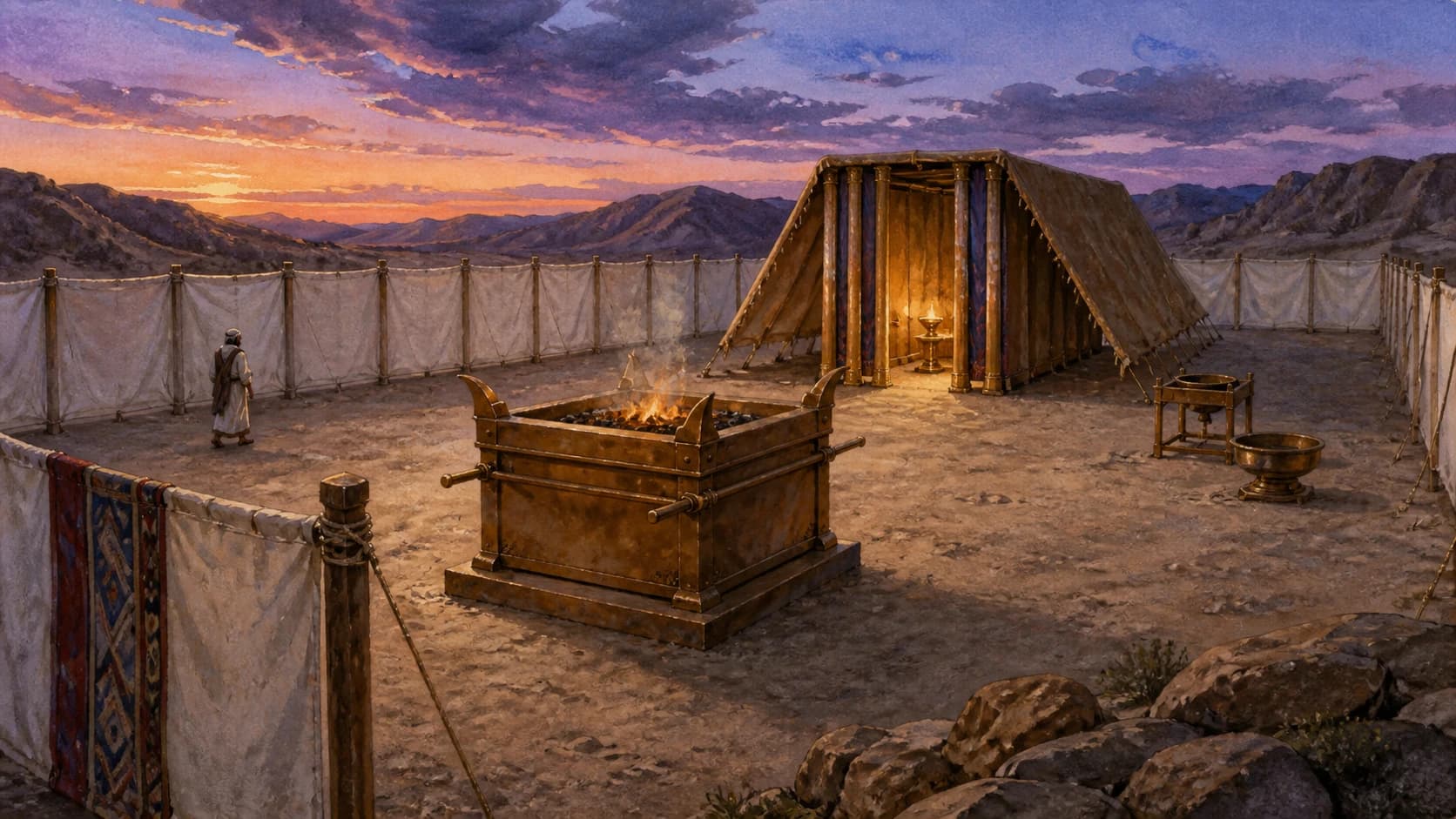
Exodus 27 commands Israel to build a bronze-covered altar and a tabernacle courtyard according to precise dimensions, and to tend the lamps before the LORD each night using pure oil.
Exodus 26 commands that multiple curtains and frames be joined into one structure while a veil separates the Holy Place from the Most Holy Place. Explore the order created by the tabernacle’s design and arrangement.
Exodus 25 commands Israel to receive freewill offerings and make the sanctuary and its furnishings according to the pattern God revealed. At its center was the place where God would dwell among His people and speak to them.
Exodus 24 recounts, in order, the proclamation and recording of God’s word, the people’s two responses, the sacrifices and blood of the covenant, the representatives who ascended the mountain, and Moses’ time of waiting.
Exodus 23 commands God’s people to uphold justice in speech and judgment, provide rest for the poor and the foreigner, reject other gods, and obey the word of the LORD.
Exodus 22 requires restitution for losses caused by theft or negligence and commands God’s people not to mistreat foreigners, widows, orphans, or the poor.
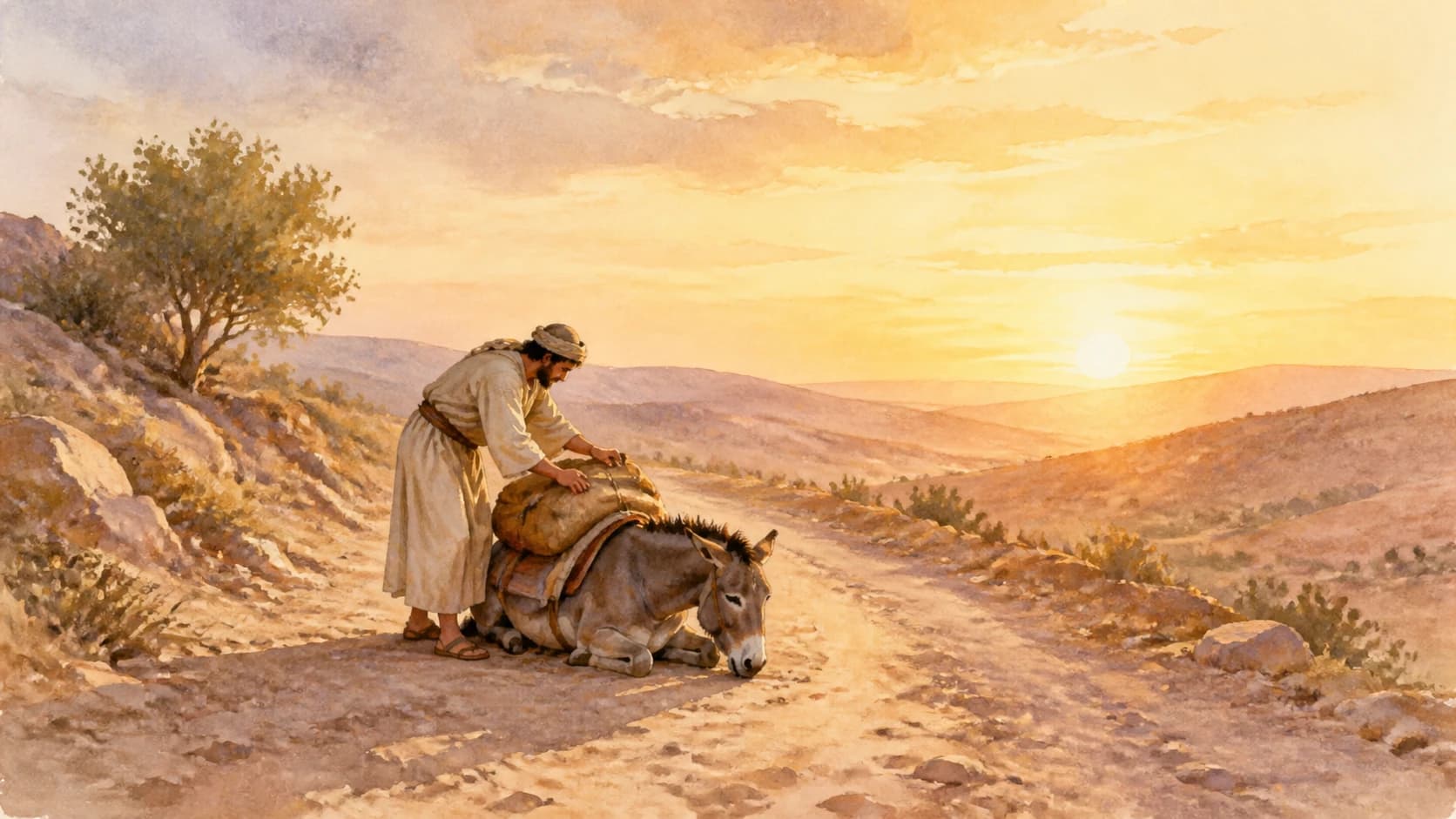
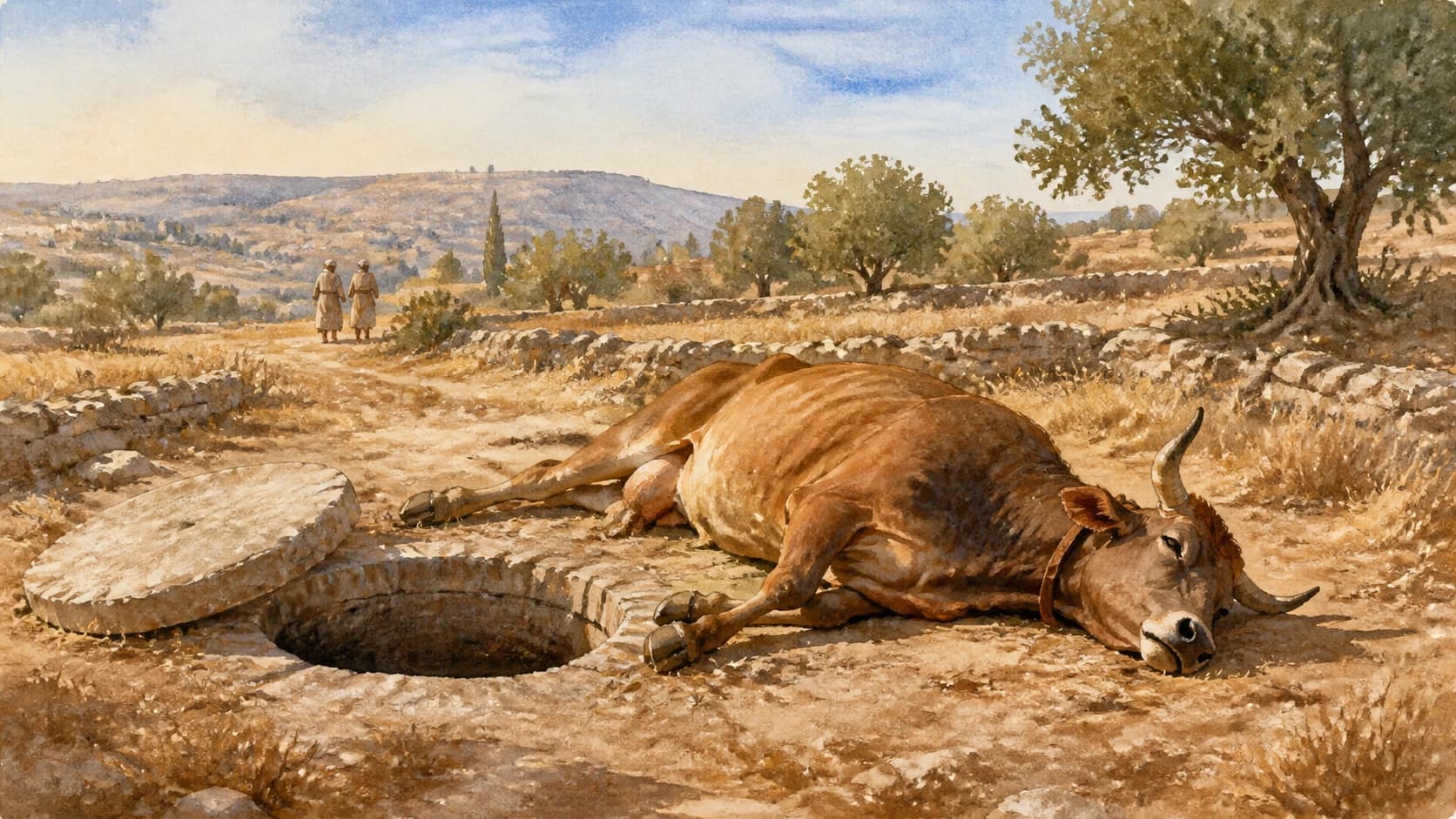
Explore how the laws in Exodus 21 concerning servants, violence, livestock, and pits determine responsibility based on freedom and restitution, intent and negligence.
Exodus 20 shows how the God who brought Israel out of Egypt commanded His people to worship Him and treat their neighbors.
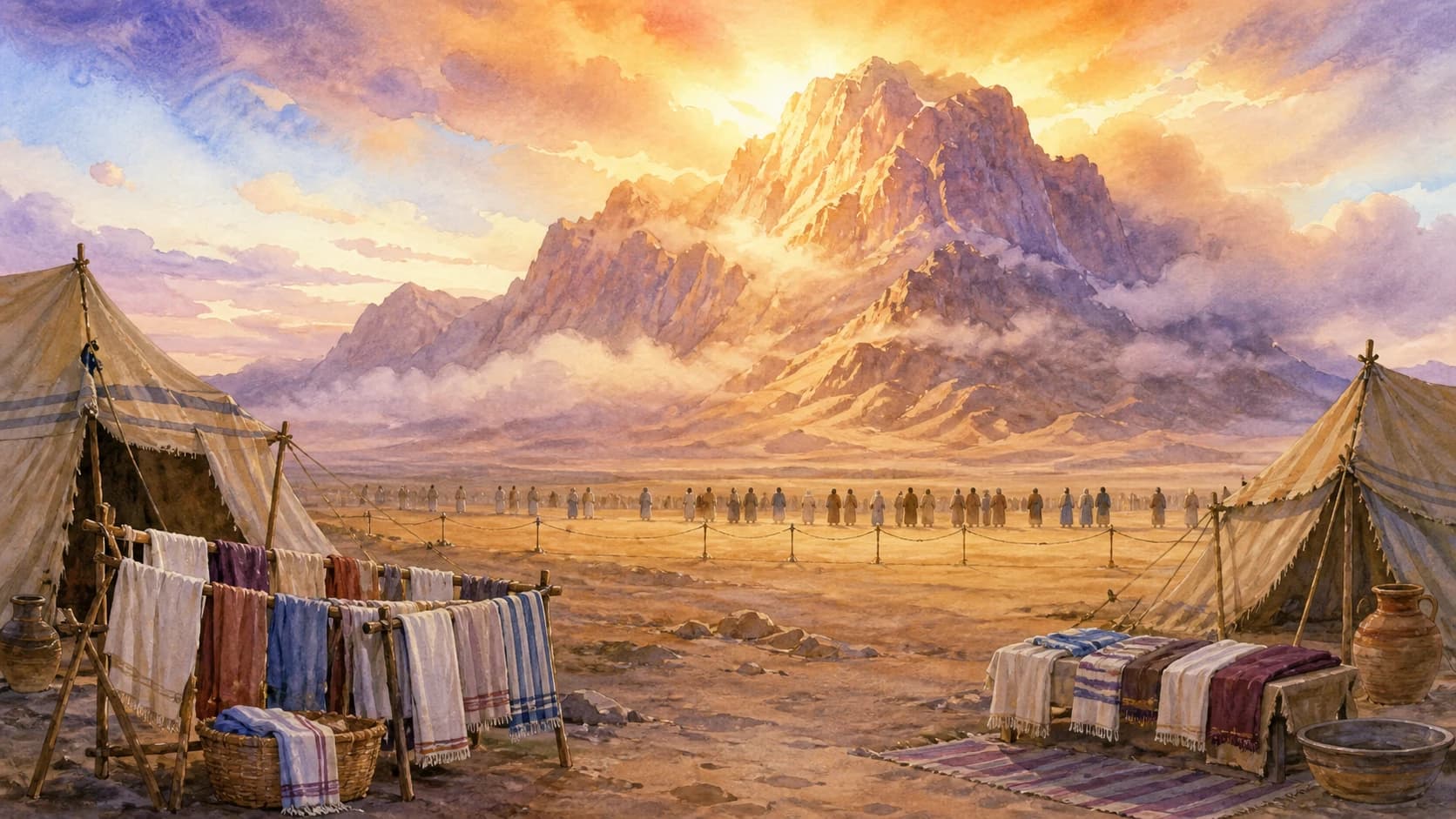
Explore the meaning of Israel’s preparation at Mount Sinai by tracing the flow of Exodus 19, where God first reminds them of the exodus and then commands them to consecrate themselves and observe the boundaries.
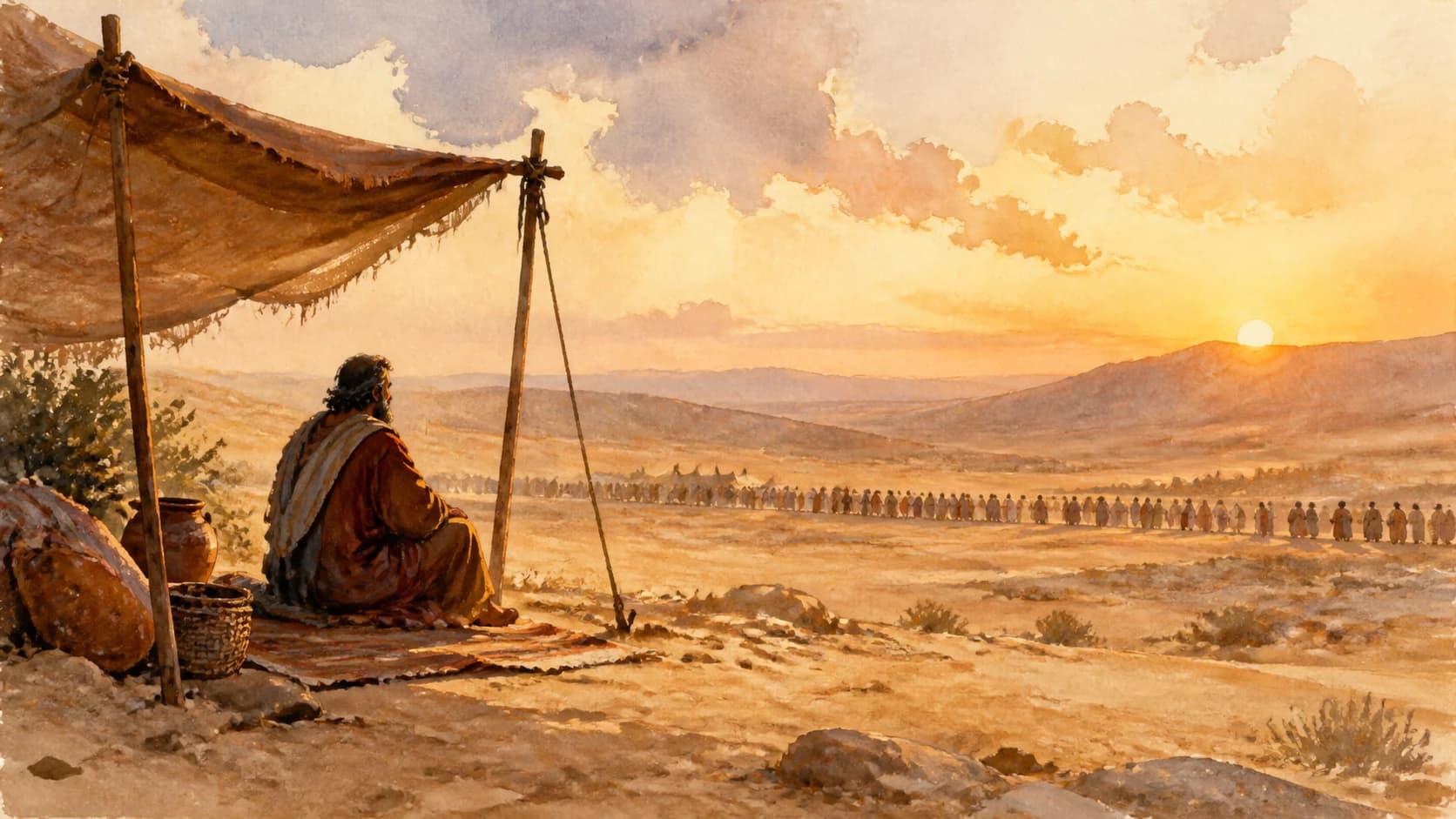
Explore how Jethro rejoiced when he heard about God’s deliverance in Exodus 18 and why Moses shared the burden of judging the people with other leaders.
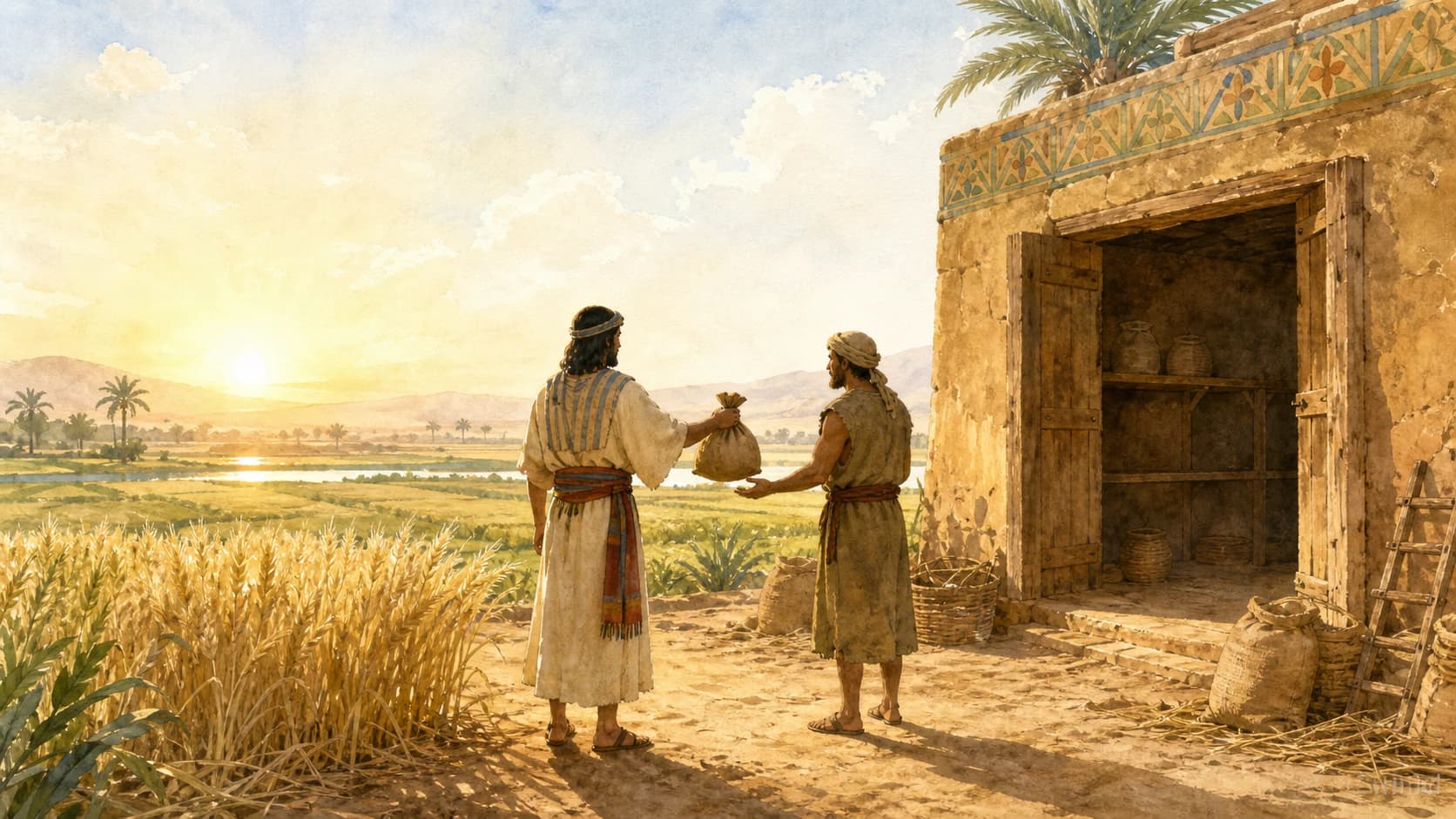
Genesis 47 shows how Jacob’s family and the people of Egypt found a place to live and food to eat during a severe famine. It invites us to consider the importance of honestly acknowledging our struggles and asking for the help we need.
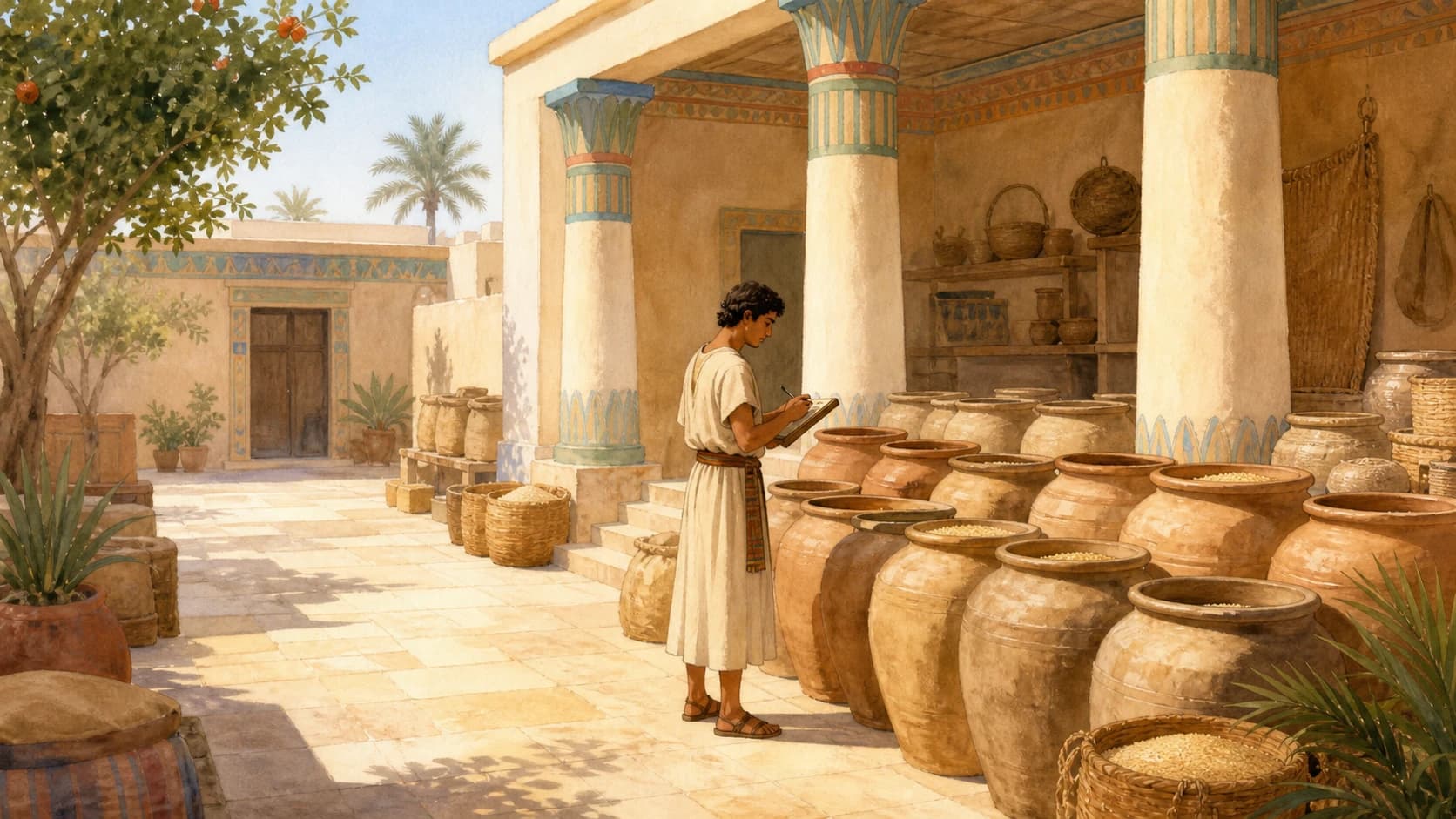
Joseph lived as both a slave and a steward in Potiphar’s household. Explore the setting of Genesis 39 and the structure of an Egyptian royal official’s estate, then consider how Joseph’s faithfulness before God amid temptation and false accusations applies to our work and relationships today.
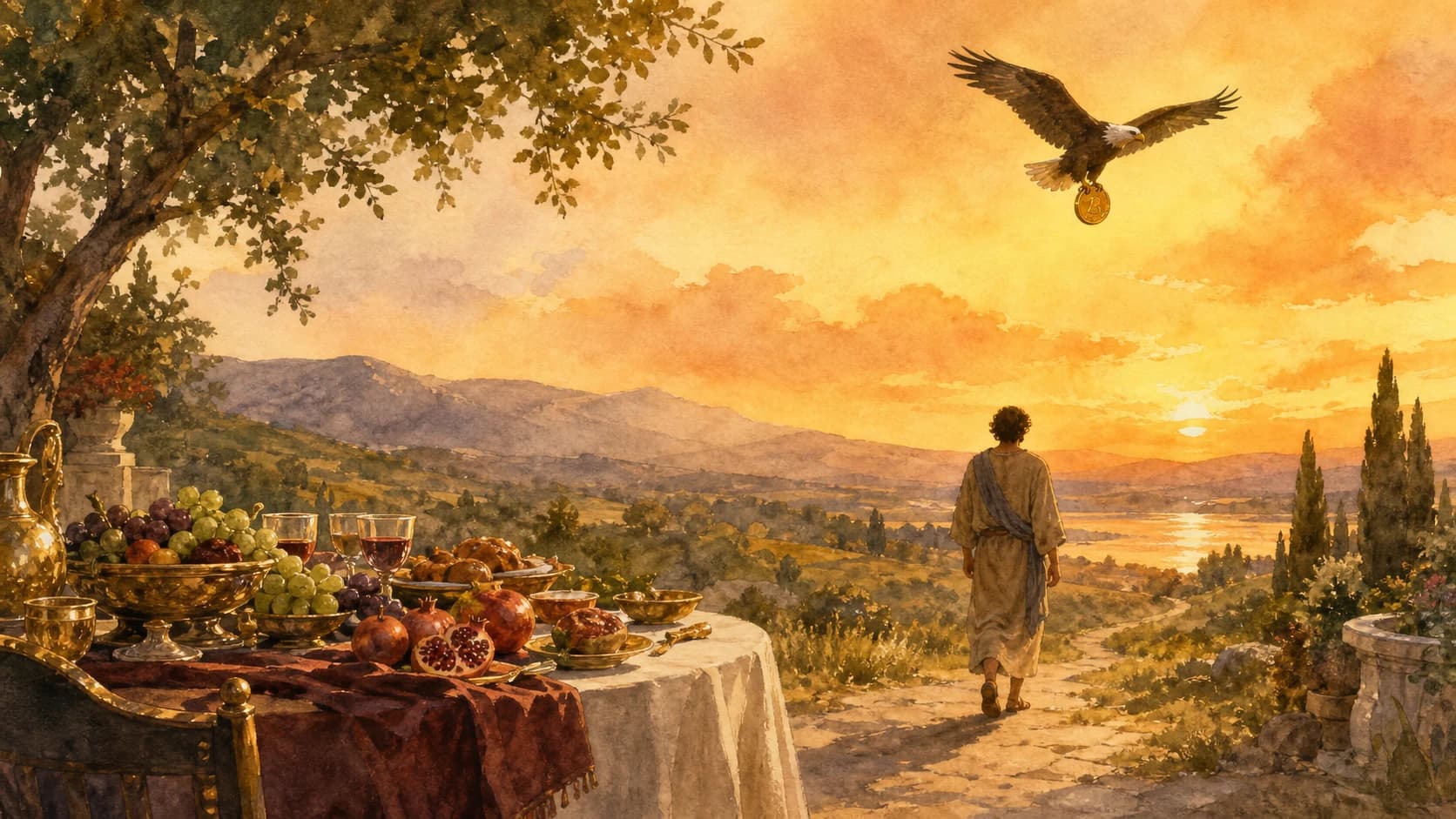
Explore the wisdom of Proverbs 23 for mastering appetites, greed, alcohol, and sexual temptation. Learn to value parental instruction, fear God, and put its teachings into practice today.
Following the overarching themes of Isaiah—justice, comfort, the messianic promises, and the hope for the remnant—this post highlights what Isaiah clearly shows us to cling to amid anxiety and uncertainty.
Understanding Jewish funeral customs brings clarity to stories of Lazarus, fragrant oils, mourners, tombs, and burial procedures. We've summarized biblical background and key interpretation points all in one place.
A comprehensive overview of Proverbs 22, reflecting on the value of reputation, humility, reverence for the Lord, child discipline, and how to treat the poor—connecting biblical wisdom with actionable daily choices.
To grasp the parable of the wedding feast in the Bible more clearly, understanding the background of Jewish wedding customs is incredibly helpful. Exploring the stages of betrothal, preparations, and the significance of the celebration reveals how these elements deepen the meaning in the Gospels and Letters.